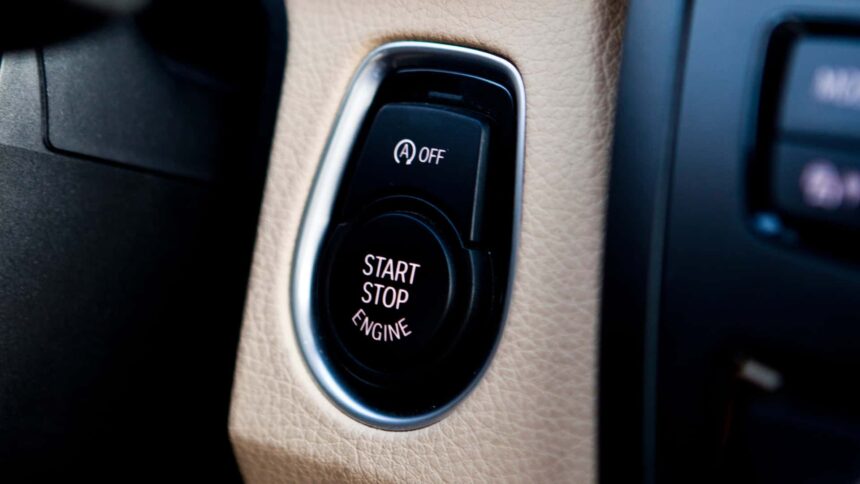
The U.S. Environmental Protection Agency (EPA) has made a significant decision that may change the landscape of modern vehicle features by eliminating incentives for automakers to implement automatic stop/start systems. This move is expected to decrease the prevalence of this feature in new vehicles, aligning with broader deregulation efforts and addressing ongoing consumer dissatisfaction.
Earlier in 2025, EPA Administrator Lee Zeldin hinted at the possibility of abolishing the automatic stop/start technology, describing it as one of the more frustrating elements in contemporary cars. This pronouncement has now materialized as a formal directive, marking the critical rollback of vehicle emissions standards established by earlier administrations.
The implementation of auto stop/start systems was initially promoted as a means to help manufacturers meet federal fuel economy and greenhouse gas emission targets. These systems function by shutting off a vehicle’s engine during idle moments and restarting it when acceleration is detected, thereby conserving fuel and boosting efficiency in congested traffic scenarios.
However, as part of the new EPA regulations finalized in February 2026, all off-cycle credits, which allow automakers to earn compliance points for using fuel-efficient technologies—even those with variable real-world effectiveness—have been rescinded. The agency’s announcement specifically highlights that features like auto stop/start, often criticized by drivers, will no longer receive federal encouragement.
Zeldin stated that the longstanding “Endangerment Finding” has imposed 16 years of restrictions on consumer choices, resulting in significant hidden costs for Americans. He asserted that this finding, sometimes referred to as the holy grail of climate change proponents, no longer stands.
While the automatic stop/start feature is not banned outright, its future in vehicles appears uncertain. Automakers may still incorporate the technology but are likely to offer it as an optional feature, if at all. This regulatory rollback is part of a wider shift in federal policy that leans away from mandated vehicle emissions and greenhouse gas standards.
Consumer reactions to this decision may vary; many drivers have expressed frustration with automatic stop/start systems. With automakers no longer obliged to include this feature in every vehicle, the broader implications of such regulatory changes remain to be seen.