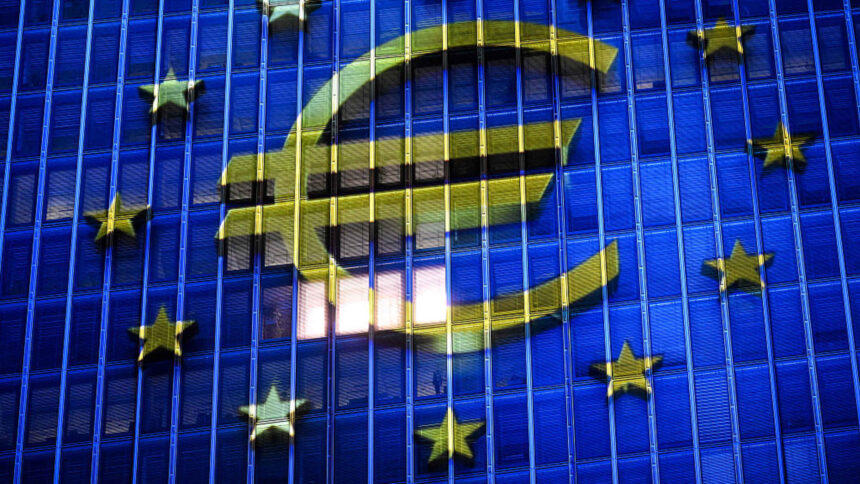
The European Central Bank (ECB) has announced that it will retain its key interest rate at 2% for the fifth consecutive meeting, reflecting a stable monetary policy amidst fluctuating inflation and economic conditions. During a press conference, ECB President Christine Lagarde emphasized that recent inflation metrics and the broader economic environment did not justify any changes to the current policy.
The ECB pointed out that current inflation should stabilize around the 2% target in the medium term, boosted by a resilient economy despite global challenges. Factors contributing to this resilience include low unemployment rates, strong private sector balance sheets, and the gradual implementation of public spending on defense and infrastructure. These elements are supporting growth, although the ECB also cautioned about uncertainty in the economic landscape, stemming from global trade policy shifts and geopolitical tensions.
Following the announcement, the euro remained unchanged against the dollar, trading at approximately $1.179—an outcome that was widely expected by market observers. Despite initial impressions that the decision was uneventful, economists urged caution. They warned that characterizing the meeting as a mere formality overlooks the underlying volatility and dual risks facing the economy.
Analysts from Deutsche Bank noted the importance of understanding the ECB’s perspective on risks to gauge future policy adjustments. The rising euro’s appreciation—the currency strengthening by around 0.75% against the dollar over the past month and nearly 14% over the past year—could influence monetary policy, particularly as inflation in the eurozone remains below the ECB’s target at 1.7% as of January. Currency appreciation generally leads to disinflation, making imports cheaper and potentially lowering production costs and consumer prices. However, such developments may raise red flags for central banks, as prolonged disinflation could lead to economic stagnation.
Some ECB policymakers, including France’s central bank governor, expressed caution regarding the euro’s rise and its possible implications for the bank’s inflation objectives. Lagarde reiterated that the Governing Council had considered these downside risks in their assessment of the latest economic conditions and emphasized the need to monitor how external factors, including tariffs and international overcapacity, might impact euro-area exports and inflation.
Despite these challenges, some economists have observed that current currency movements may not yet pose significant concerns. JPMorgan’s euro area economist, Greg Fuzesi, indicated that the ECB is attentive to the currency’s exchange rate but does not currently see alarming signals that would necessitate immediate action.
Looking ahead, consensus forecasts suggest that the ECB will likely maintain its current rate through the remainder of 2026, with indications pointing towards a potential rate hike in mid-2027, driven by fiscal easing and a tight labor market. Market analysts have cautioned, however, that the balance between domestic inflation and external disinflation will be crucial in determining future monetary policy adjustments as external economic pressures remain unpredictable.