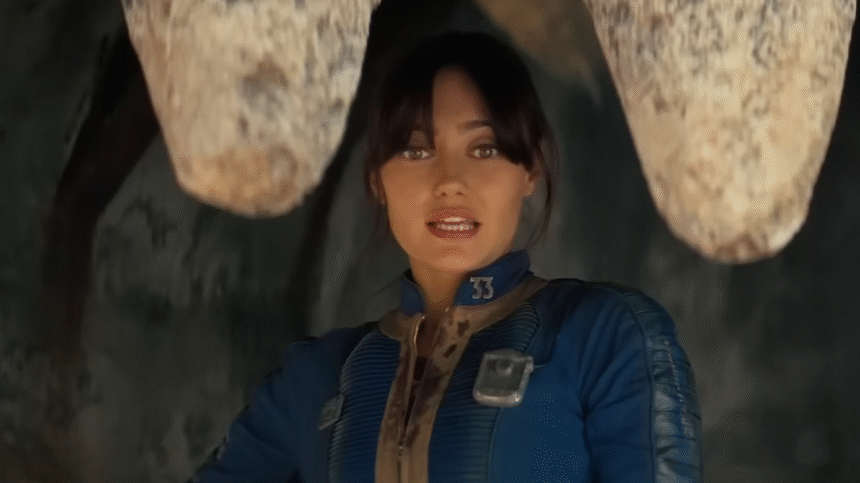
The highly anticipated second season of the Fallout TV show is set to premiere next week, adopting a weekly release schedule that will continue through February. This upcoming season shifts its focus to the beloved setting of Fallout: New Vegas, a backdrop rich with narrative potential and fan-favorite elements.
In a recent conversation, John Gonzalez, the lead writer of Fallout: New Vegas, shared his thoughts on the show’s first season and its storytelling approach. “I really enjoyed the first season of the show,” he commented, highlighting the series’ complex exploration of its world. Gonzalez expressed particular admiration for the character Maximus, describing him as a “fascinating creation” that offers a unique perspective on the Brotherhood of Steel, one of the franchise’s iconic factions. He conveyed his eagerness to see how the character and storylines evolve in the upcoming episodes.
However, the discussion took a more serious turn when Gonzalez addressed the issues of credit and residuals for creators. Drawing parallels to the treatment of early comic book artists like Bill Finger and Jack Kirby, he noted, “It’s very odd to see characters that I created showing up in other media… there’s no credit for that, there’s no residuals for that. And that’s something that I understood doing the work early on.” He reflected on the broader challenges within creative industries, comparing narrative work in video games to the comic book realm, where creators often relinquish ownership of their work. Gonzalez pointed out, “It doesn’t belong to you. That’s not the terms under which you do the work.”
This commentary draws attention to the established practices in the entertainment industry that raise important questions about creator compensation and recognition. The Fallout series, backed by Amazon, exemplifies the complexities surrounding intellectual property rights, especially as iconic narratives transition from one medium to another.
In a lighter note, Gonzalez praised co-creator Tim Cain, who has been producing engaging short-form YouTube videos that delve into his experiences with the series. He encouraged fans to explore these insights, playfully dubbing it the “Cain Train.”
Towards the conclusion of the dialogue, Gonzalez emphasized a standout element from the original game’s setting, which masterfully blended 1950s aesthetics with a post-apocalyptic narrative. He recalled watching the show with his wife, who remarked on its ability to evoke that retro feel while being set 100 years later. Gonzalez lauded the original creators for successfully “defamiliarizing the ’50s,” allowing the show to explore unique themes and narratives within that framework.
Looking ahead, he expressed keen interest in how the New Vegas storyline will be interpreted in the second season, reinforcing his continual connection to the world he helped create. The anticipation builds as fans prepare for the premiere of Fallout season 2 on December 17, eagerly awaiting new adventures set in a familiar yet transformed universe.