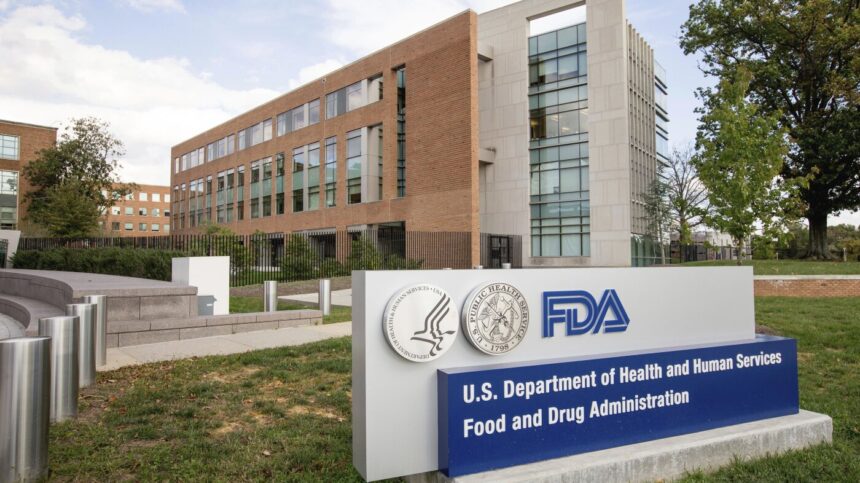
The Food and Drug Administration (FDA) has introduced a significant policy change aimed at enhancing the approval process for treatments targeting very rare diseases. This new guidance allows the agency to consider approving treatments based on evidence supporting a “plausible mechanism” of action instead of requiring extensive traditional clinical studies.
The initiative is designed to expedite access to advanced technologies, such as gene-editing therapies, which can be customized for patients suffering from rare conditions that may not have enough individuals for conventional trials. Health and Human Services Secretary Robert F. Kennedy Jr. highlighted the historical challenges faced by families dealing with rare diseases, stating, “For decades families heard the same thing: There are not enough patients. The approval will take too long. You just have to wait for the science to catch up with your child. That ends today. Individualized medicine is no longer theoretical.”
FDA Commissioner Marty Makary acknowledged that rare diseases have often been neglected in the regulatory process, but remarked on the progress being made with this new approach. The policy, which was initially outlined last November, applies particularly to diseases where there is a foundational understanding of the genetic defect and the proposed treatment mechanism.
Dr. Tracy Beth Høeg, director of the FDA’s Center for Drug Evaluation and Research, described the announcement as a landmark moment for patients battling very rare diseases. The FDA has recognized the potential of gene-editing treatments like CRISPR in addressing genetic blood disorders and is researching similar therapies for various other conditions, including cancer and genetic blindness.
Despite accumulating scientific advancements, many families have faced hurdles due to the lack of economic incentives for pharmaceutical companies to develop treatments for exceedingly rare diseases. With an estimated 30 million Americans suffering from rare illnesses, the FDA’s policy shift aims to expedite the development and deployment of gene-editing therapies through streamlined regulatory frameworks.
Highlighting a specific success story, the announcement referenced a Pennsylvania infant treated at the Children’s Hospital of Philadelphia for a rare genetic liver disorder. Utilizing a tailored gene-editing treatment targeting the child’s unique genetic defect, doctors initiated a breakthrough approach that could potentially be modified for other patients with similar conditions.
Dr. Kiran Musunuru, a lead researcher involved in developing the treatment, emphasized the importance of this policy by stating, “We realized we can do this over and over again, individualizing the therapy for many patients.” This sentiment was echoed by Dr. Rebecca Ahrens-Nicklas, another physician involved in the case, who stressed the necessity for innovative regulatory frameworks to efficiently evaluate the safety and efficacy of such treatments.
Experts in the field have largely praised the initiative. Fyodor Urnov from the University of California, Berkeley, expressed enthusiasm for the “ready, set, go!” nature of the guidance, which he believes has the potential to speed up and reduce costs in developing gene-editing therapies. He specifically noted that conditions caused by multiple mutations would no longer necessitate individual clinical trials.
However, some experts have raised caution about the broader implications of the new approach. Rachel Sachs, a law professor, pointed out that while the plausible mechanism policy addresses a significant issue, there could be risks of its application extending into areas where traditional clinical trials are appropriate and necessary, potentially undermining the system designed to ensure treatment efficacy and safety.