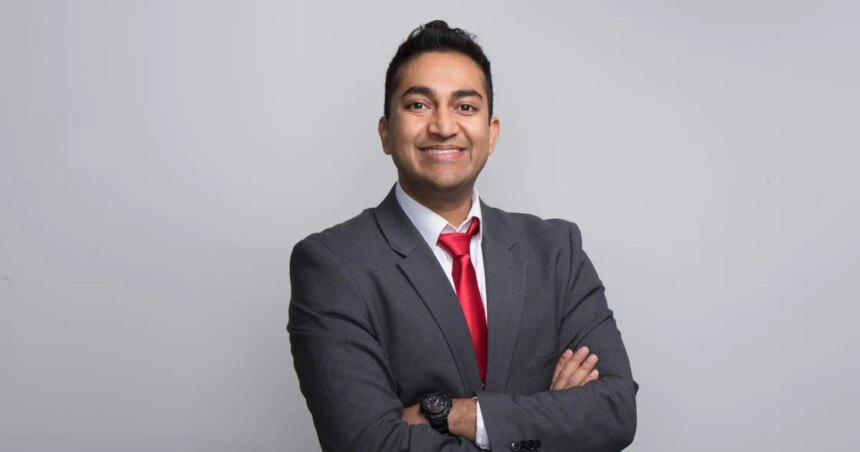
In a significant leadership change, Dr. Vinay Prasad, who heads the vaccine division at the Food and Drug Administration (FDA), is set to leave the agency for the second time within a year. This announcement came from FDA Commissioner Marty Makary in an email to staff late Friday, indicating that Prasad’s departure will take effect at the end of April. He is expected to return to his academic position at the University of California, San Francisco.
Prasad’s tenure has been marked by significant controversy surrounding his decisions on the review of vaccines and specialized drugs aimed at treating rare diseases. His previous exit from the FDA occurred last July after he faced backlash from biotech executives and patient advocacy groups, particularly those aligned with conservative figures, including supporters of former President Donald Trump. Less than two weeks later, he was reinstated with the support of Health Secretary Robert F. Kennedy Jr. and Makary.
The most recent criticism follows a series of high-profile incidents involving the FDA’s evaluation processes for vaccines and gene therapies. Companies have publicly expressed frustrations with the agency’s handling of certain drug applications, particularly after reversing previous approvals or requesting additional trials for products already deemed suitable for the market.
In a notable instance that sparked considerable debate, Prasad signaled refusal to allow a review of Moderna’s innovative flu vaccine utilizing mRNA technology, a departure from what is typically expected from the FDA. This unusual decision prompted Moderna to publicly announce its intention to contest the ruling. Just a week later, the FDA shifted its stance, agreeing to review the vaccine pending an extra study by the company.
Further complicating matters, the FDA found itself embroiled in an unusual public dispute with UniQure, a smaller biopharmaceutical firm developing an experimental therapy for Huntington’s Disease. In a move that alarmed the company, the FDA mandated a new trial that would entail conducting sham surgeries on some trial participants. Executives from UniQure suggested that this request contradicted earlier FDA guidance and raised potential ethical dilemmas for patients involved in the study.
In an unprecedented move, the FDA organized a press conference to defend its position against the therapy and explain the rationale behind its requirements for additional research. An unnamed senior FDA official described the original results of UniQure’s study as “stone cold negative,” branding the therapy effectively a “failed product.”
Prasad’s regulatory approach at the FDA has confounded observers. While he has pushed for expedited and simplified drug review processes in collaboration with Makary, he has also imposed stringent new requirements and warnings, particularly concerning COVID-19 vaccines—an area that has been heavily scrutinized by anti-vaccine advocates like Kennedy.
The implications of Prasad’s departure extend beyond personnel changes; they signal ongoing tensions between the FDA and biotech companies, which could impact the progression and availability of therapies for patients with rare or difficult-to-treat conditions. His exit adds another chapter to the intricate dynamics of drug regulation amidst an evolving landscape of healthcare and pharmaceutical innovation.