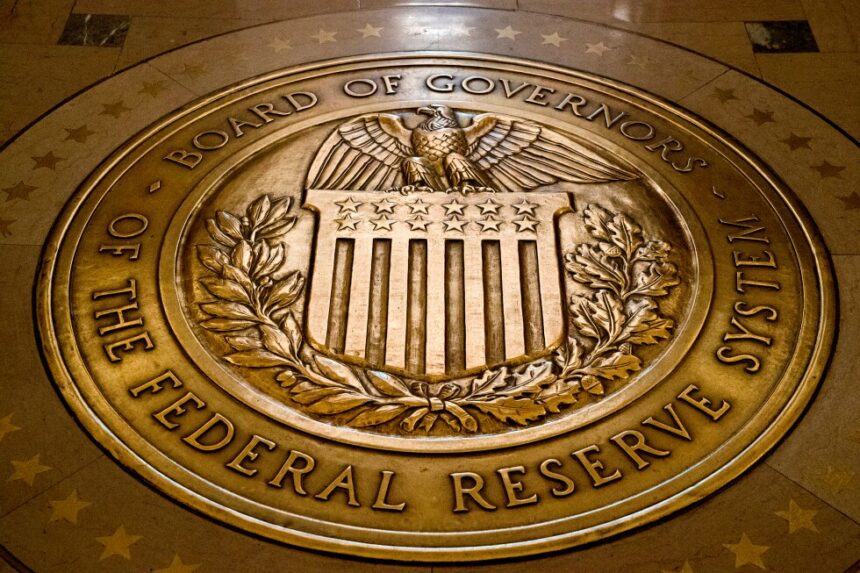
A senior official from the Federal Reserve has indicated that a rise in interest rates may be warranted if inflation continues to remain significantly above the central bank’s 2% target. This perspective points to a noticeable shift among some policymakers, who are increasingly veering away from the earlier inclination to lower borrowing costs amid ongoing economic challenges.
In a recent interview, Beth Hammack, president of the Federal Reserve Bank of Cleveland, expressed her general preference for maintaining the current benchmark interest rate for an extended period. However, she highlighted the possibility of adjusting rates in response to economic indicators, particularly if escalating gas prices lead to a slowdown in economic activity and a rise in unemployment. Hammack stated, “I can foresee scenarios where we would need to reduce rates… if the labor market deteriorates significantly,” while also acknowledging the potential need for a rate increase if inflation persists at elevated levels.
Hammack’s comments reflect a growing apprehension among certain Federal Reserve policymakers regarding inflation, which had begun to climb prior to the onset of the Iran conflict. The implications of raising interest rates are significant, as they would increase borrowing costs for consumers and businesses, potentially affecting mortgages, auto loans, and credit card interest rates.
Additionally, other Federal Reserve officials, including Austan Goolsbee, president of the Chicago Fed, have recently indicated openness to rate hikes. Minutes from the Fed’s late January meeting revealed that several members of the rate-setting committee supported modifying the post-meeting communication to include the possibility of “upward adjustments” to interest rates.
A potential increase in rates would likely trigger a backlash from political figures, particularly former President Donald Trump, who has been openly critical of the central bank’s monetary policy and has called for a reduction in rates to 1%, down from approximately 3.6% currently.
The coming week will see the government release updates on key inflation metrics, with one measure expected to reflect the increase in gas prices amid the Iran conflict. According to AAA, the average gas price nationwide reached $4.12 per gallon, marking an 80-cent increase from the previous month. Economists predict a significant rise in annual inflation, estimating an increase from 2.4% in February to approximately 3.1% in March, which would represent the largest month-to-month jump in nearly four years.
Hammack mentioned that the Cleveland Fed’s estimates indicate inflation could climb to around 3.5% in April, the highest rate since 2024, underscoring ongoing inflationary pressures. Notably, inflation levels peaked at 9.1% in June 2022 before beginning a slow decline.
Highlighting the Fed’s dual mandate to achieve both low inflation and maximum employment, Hammack noted that elevated gas prices pose a dual threat. They could lead consumers to cut back on spending in other economic areas, potentially triggering slower growth and increased layoffs—situations that would prompt the Fed to consider rate cuts.
The impact of the ongoing war on the economy will largely depend on its duration and the subsequent effects on gas prices and broader costs. Hammack remarked that, now six weeks into the conflict, the situation has exceeded her expectations when the Federal Reserve last convened in mid-March. She emphasized that rising gas prices are the prevailing concern among constituents in her district, which includes parts of Ohio, Pennsylvania, West Virginia, and Kentucky, stating, “We know that causes a lot of pain personally, as it eats up a bigger and bigger share of people’s paychecks. So it’s important for us to stay focused on it.”