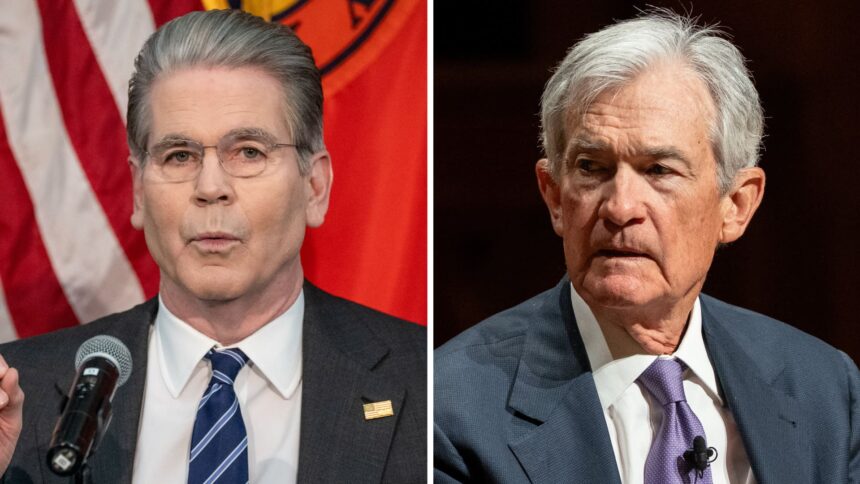
In a notable development concerning cybersecurity, Federal Reserve Chairman Jerome Powell and Treasury Secretary Scott Bessent convened a high-level meeting with the chief executives of major U.S. banks this week. The gathering focused on the potential cyber risks associated with Anthropic’s new AI model, Claude Mythos Preview. Sources familiar with the matter confirmed that the meeting was arranged on short notice during a Financial Services Forum board meeting in Washington, D.C.
Among the attendees were some of the banking industry’s foremost leaders, including Brian Moynihan from Bank of America, Jane Fraser of Citigroup, David Solomon from Goldman Sachs, Ted Pick of Morgan Stanley, and Charlie Scharf from Wells Fargo. Notably absent was Jamie Dimon, CEO of JPMorgan Chase, who was reportedly unable to attend due to prior commitments.
The urgency of the meeting arises from concerns expressed earlier this week by Anthropic regarding the security implications of the Claude Mythos Preview. The company launched this artificial intelligence model in a limited capacity, highlighting fears that hackers could exploit its capabilities. JPMorgan Chase has emerged as one of the initial launch partners for a related cybersecurity initiative known as Project Glasswing, along with tech giants like Apple, Google, Microsoft, and Nvidia.
In a move aimed at addressing these concerns, Anthropic has been actively engaging with U.S. government agencies, including the Cybersecurity and Infrastructure Security Agency (CISA) and the Center for AI Standards and Innovation, regarding the cyber capabilities of Claude Mythos Preview. The discussions come on the heels of a significant decline in cyber stocks last month, triggered by revelations about the model’s advanced cyber capabilities and associated risks.
Dario Amodei, the CEO of Anthropic, expressed the high stakes involved in getting the deployment of Claude Mythos Preview right. In a social media post, he remarked on the potential for this technology to foster a more secure internet, framing the discussion around the fine line between innovation and vulnerability.
The urgency to address potential threats is underscored by previous incidents, including a November report detailing how hackers utilized Anthropic’s models for sophisticated AI-driven cyberattacks. In one case, a Chinese group reportedly automated a hack targeting government and corporate entities using the Claude model.
Additionally, Anthropic is currently embroiled in a legal battle with the Department of Defense, which has designated the AI lab as a potential supply chain risk to national security. Just this week, a federal appeals court declined to grant the company’s request for a temporary halt to its blacklisting.
As these discussions continue to unfold, the implications for the banking sector and broader cybersecurity landscape remain a critical focal point. With high-level stakeholders engaged, the industry is watching closely as the intersection of artificial intelligence and cybersecurity evolves.