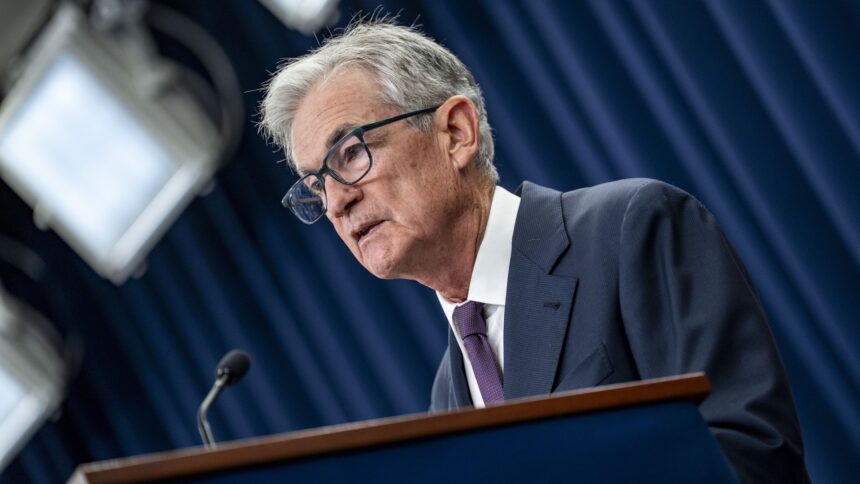
In mid-September, the U.S. Federal Reserve took a significant step by voting to lower interest rates by a quarter of a percentage point, establishing a new target range for the federal funds rate between 4% and 4.25%. This decision marked the first rate reduction in nine months and was influenced by a jobs report from August that fell short of expectations.
During the Federal Open Market Committee meeting, Federal Reserve Chair Jerome Powell characterized the rate cut as a “risk management cut,” aimed at addressing ongoing labor market challenges. Economic analysts from J.P. Morgan Global Research have forecasted two additional rate cuts in 2025 and one in 2026, suggesting a cautious approach to monetary policy in response to evolving economic conditions.
In light of this recent move, inquiries about potential ramifications of continued rate cuts have surfaced. A question posed to AI from GOBankingRates, specifically to ChatGPT, asked what the implications would be for the economy if the Fed pursued further interest rate reductions. The AI provided an extensive analysis, outlining both the potential benefits and drawbacks.
According to ChatGPT, reducing key interest rates is primarily intended to make borrowing cheaper, thereby stimulating economic activity. The expected outcomes of such a strategy include:
- Cheaper Borrowing Costs: Lower interest rates are likely to encourage businesses to expand, as financing becomes more affordable.
- Increased Consumer Spending: Reduced rates on mortgages, car loans, and credit cards can enhance consumer demand for goods and services.
- Rising Asset Prices: There is potential for stock and real estate prices to appreciate due to increased liquidity in the economy.
ChatGPT highlighted that if the Federal Reserve continues to reduce rates as a reaction to economic weakness, it could help in several ways: fostering growth, lowering unemployment rates, avoiding or shortening recessions, and encouraging investment rather than stagnation in the economy.
However, the AI also cautioned that prolonged and excessive rate cutting could lead to several challenges:
- Inflation Risks: Persistently low rates may fuel inflation, conflicting with the Fed’s mandates.
- Diminishing Returns: Eventually, the effectiveness of rate cuts may diminish, leading to minimal impact on economic stimulation.
- Market Bubbles: There is a risk of creating bubbles in sectors like real estate or the stock market, driven by inflated asset prices.
- Negative Impact on Savers: Individuals relying on fixed incomes and savers might see lower returns on their investments.
The effects of interest rate changes do not manifest immediately, ChatGPT noted, as variables like mortgage rates and credit card interest can lag behind rate adjustments. Additionally, the anticipated improvement in housing affordability may not be significant, as long-term interest rates—which largely influence mortgage rates—might remain stable despite the Fed’s actions.
In summary, given the current economic landscape characterized by stubborn inflation and decelerating growth, many economists suggest that the Federal Reserve will move cautiously. While further rate cuts could occur if economic data continues to weaken, there is a shared concern among experts about the potential risks of overstimulating the economy while inflation remains above the desired target levels.