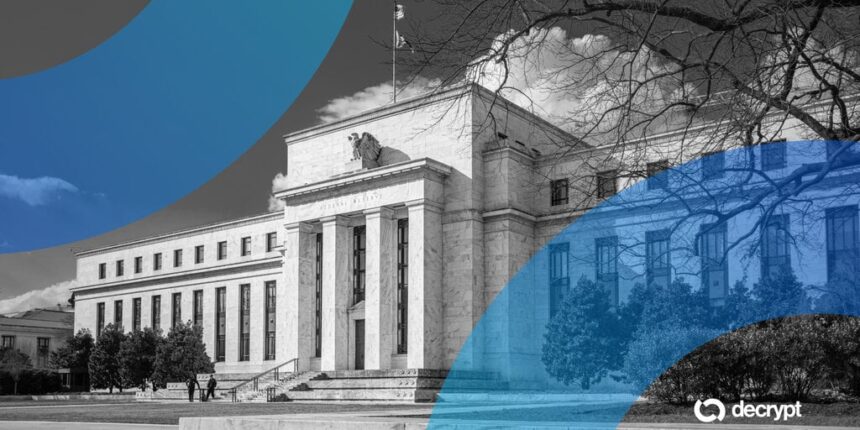
The Federal Reserve has decided to maintain its benchmark interest rate, leaving it within a target range of 3.50% to 3.75%. This decision reflects a cautious and data-dependent strategy in navigating the U.S. labor market’s dynamics while addressing ongoing inflationary pressures. The central bank’s action comes amidst instances of pressure from the White House for a quicker monetary easing, highlighting the intricate balance officials need to strike.
During the most recent Federal Open Markets Committee (FOMC) meeting, which concluded on Wednesday, two members expressed dissent regarding the decision. Stephen Miran and Christopher Waller, both appointees from the Trump administration, advocated for a 25-basis-point cut. This dissent marks a continued division within the committee, with the previous vote in December showing a 9-3 split, the most significant since 2019, indicating a growing divergence in perspectives on labor market stability and inflation trends.
The Federal Reserve emphasized the lingering uncertainties regarding the economic landscape in its official statement, noting low job gains and signs that the unemployment rate may be stabilizing. However, inflation remains elevated, posing ongoing challenges. Fed Chair Jerome Powell acknowledged that the current situation is less precarious than it was a few months prior, suggesting that the risks associated with both employment and inflation have somewhat diminished.
In a notable development, the market has reacted to the Fed’s stance, with cryptocurrencies like Bitcoin and Ethereum witnessing modest gains. Bitcoin is currently trading around $89,500, while Ethereum is at approximately $3,000, marking a 2% increase within a day. This uptick follows a period of decline as the market navigates external factors, including political dynamics related to Trump’s renewed interest in Greenland.
The central bank’s decision occurs against the backdrop of potential changes in leadership, as President Donald Trump is expected to name a successor for Powell, whose term is set to expire in May. The FOMC’s current approach encapsulates a wait-and-see philosophy regarding future adjustments to interest rates, particularly in light of a criminal investigation targeting Powell, which he claims threatens the Fed’s independence.
Contributing to the Fed’s decision-making, challenges associated with trade and immigration policies have been cited as complicating factors for economic direction. Moreover, disruptions in data collection from a previous government shutdown have further obscured the Fed’s ability to gauge the economic environment clearly.
Recent reports from the Bureau of Labor Statistics indicated a December unemployment rate of 4.4%, reflecting little change from November’s revised rate of 4.5%. Inflation, analyzed over the year ending in December, stood at 2.7%. As traders anticipate a potential interest rate cut by June, they foresee the reduction in borrowing costs would likely enhance the appeal of risk assets, encouraging a shift toward higher yield opportunities as yields on U.S. Treasuries fall.