In a surprising shift, the Federal Reserve is now more inclined to raise interest rates by summer than to cut them, a significant change from previous expectations. The Atlanta Fed’s Market Probability Tracker indicates a 19.2% likelihood of a rate hike, compared to a 17.3% chance of a rate cut. This marks a dramatic reversal from late February, when the probabilities favored a cut, with a 39.7% chance of lowering rates and the hike odds remaining in single digits.
Experts attribute this sudden change to the geopolitical tensions stemming from the U.S.-Iran conflict, which has led to increased commodity prices and inflation concerns. Ryan Detrick, chief market strategist at Carson Group, noted how the conflict has escalated these probabilities, stating that the market had seen inflationary pressures even before the war erupted.
The surge in oil prices since the onset of the U.S.-Iran war has raised alarms among economists about the risk of stagflation, a scenario characterized by high inflation coupled with stagnant economic growth. Recent data indicates that the Producer Price Index (PPI), which tracks a range of wholesale prices, increased by 0.7% in February and 3.4% year-over-year, further intensifying inflation concerns.
The Federal Reserve last adjusted interest rates in July 2023, aiming to curb inflation in response to economic disruptions from the COVID-19 pandemic. After implementing three rate cuts in 2025, resulting in rates of 3.5%-3.75%, the Fed has opted to maintain steady rates in January and during recent meetings, while expressing concerns about rising inflation.
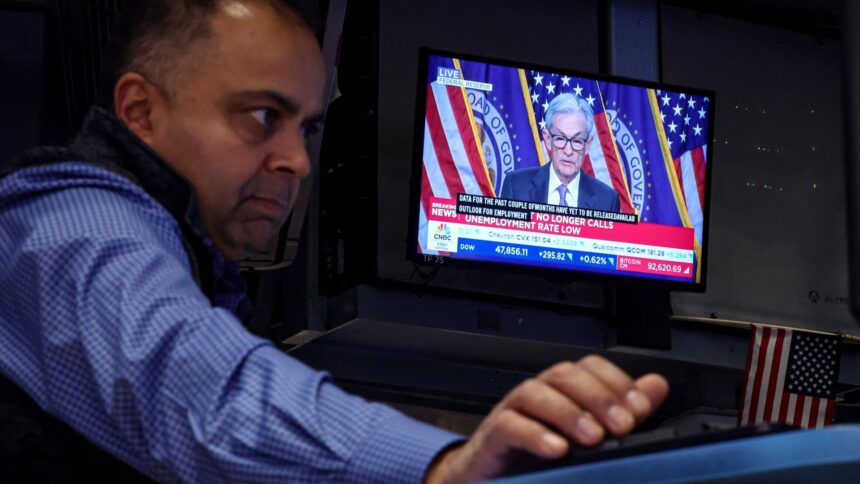
Federal Reserve Chair Jerome Powell commented on the precarious balancing act the Fed faces, as rising energy prices are expected to influence overall inflation. However, he noted that the risks to the labor market lean towards the downside, which typically would suggest a need for lower rates. Conversely, inflation risks point towards a potential need for higher rates or at least pausing cuts.
The implications of potential rate hikes may extend beyond traditional equities, posing challenges for commodity markets, including gold. Analysts from Goldman Sachs warn that while tensions from the U.S.-Iran conflict might drive gold prices upward, simultaneous inflation and Fed rate hikes could negate those gains.
Despite the uncertainty surrounding gold, some analysts, including Detrick and Goldman Sachs’ Amy Gower, maintain a bullish stance on the precious metal, forecasting prices could exceed $5,000 by the latter half of 2026.
Looking ahead, sectors such as technology, industrials, materials, and parts of the energy sector may thrive as the economy potentially accelerates in response to any rate hikes. As the situation evolves, market watchers will be keenly observing how these economic factors interplay in the coming months.