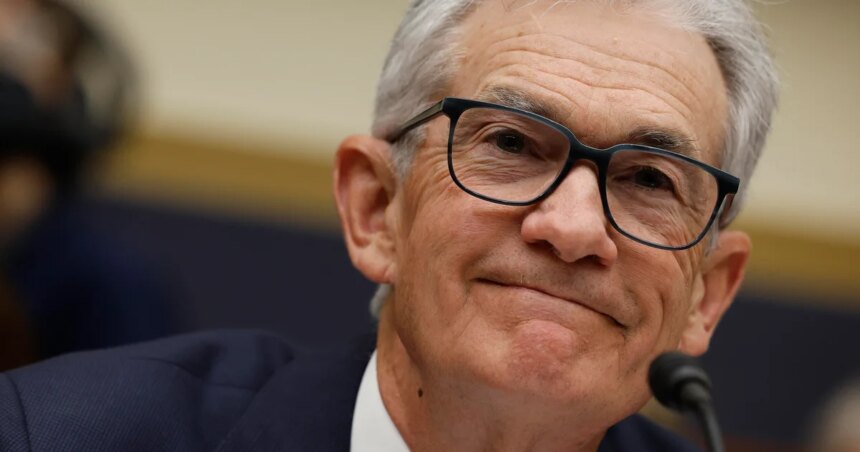
The Federal Reserve is poised to announce its final decision on interest rates for 2025 this Wednesday, bringing to a close a year marked by economic challenges, including labor market issues and inflation driven by tariffs. This decision comes amid a government shutdown that has delayed critical economic data, such as November’s hiring figures and the latest inflation report, pushing their release to mid-December.
These economic indicators are crucial for the Fed’s dual mandate, which aims to stabilize both inflation and unemployment. However, this year, achieving a balance between these objectives has proven complicated, with hiring slowing down and layoffs increasing even as inflation continues to rise, partially as a result of tariffs implemented during the Trump administration.
Most economists anticipate a quarter-point cut in interest rates during the upcoming meeting, with the CME FedWatch tool indicating an 88% probability of a 0.25 percentage-point reduction. If enacted, this would mark the third consecutive cut, lowering the federal funds rate to a range of 3.75% to 4%. Such a rate adjustment could alleviate financial pressure for borrowers, reducing costs on loans ranging from credit cards to home equity lines of credit. This could provide relief for many Americans grappling with increasing expenses in areas like food and healthcare.
Bankrate financial analyst Stephen Kates emphasized the importance of this rate cut as discussions about affordability gain traction. He noted that the lack of recent inflation data limits the Fed’s visibility and may push it toward a more accommodating policy. The Fed has faced criticism this year from President Trump and other officials for not acting more swiftly to lower interest rates.
However, a reduction in borrowing costs carries its own risks, as it may lead to increased consumer and business spending, which could drive inflation higher.
Despite the expectations for a rate cut, there remains a divide among members of the Federal Open Market Committee (FOMC). While figures like John Williams, president of the Federal Reserve Bank of New York, have expressed support for a cut, Fed Chair Jerome Powell had previously indicated that such a decision was not guaranteed, pointing to some resilience in the job market.
Michael Pearce, chief U.S. economist at Oxford Economics, remarked on the unprecedented division within the FOMC regarding the necessity for further rate cuts. He suggests that, on balance, a cut of a quarter-point is likely.
Looking ahead, the uncertainty surrounding future rate cuts in 2026 looms large. Current projections suggest that the Fed might maintain steady rates in its next meeting on January 27-28, with a 62% chance of leaving rates unchanged. Nevertheless, many economists anticipate additional cuts in 2026. The timing of these adjustments will depend heavily on inflation trends and labor market conditions, which remain volatile with significant job losses reported—over 1.1 million layoffs through November, the highest number since 2020.
The increasing reliance on artificial intelligence in the workforce also raises concerns about future job prospects, as businesses explore automation to enhance efficiency. This trend could contribute to weaker hiring and more layoffs, further suggesting a potential need for rate cuts in the upcoming year.
As economists assess the outlook for 2026, the overarching question remains: Can the anticipated modest economic growth stabilize a labor market still grappling with negative job growth and a shift toward AI-driven efficiency?