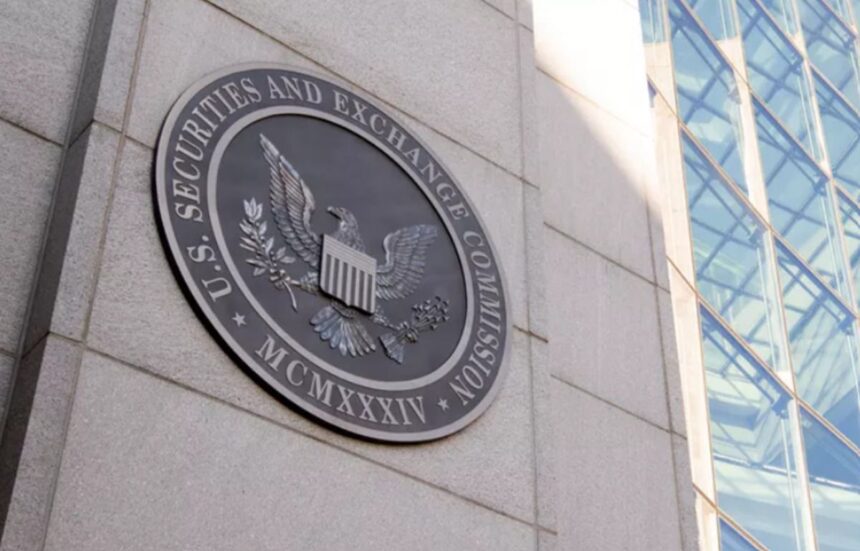
Taylor Lindman, a former senior legal officer at Chainlink Labs, has taken on the role of chief legal counsel for the U.S. Securities and Exchange Commission’s Crypto Task Force, as reported by journalist Eleanor Terrett. His transition from the private blockchain sector to a significant regulatory position comes at a time when digital assets are under increased scrutiny.
In his previous role at Chainlink Labs, Lindman served as deputy general counsel, focusing on legal strategies concerning blockchain technology, smart contracts, and regulatory compliance. He has extensive experience engaging with U.S. securities laws, particularly relating to decentralized finance and oracle networks, which play a vital role in delivering real-world data to blockchains.
The SEC’s Crypto Task Force was established to enhance coordination in enforcement and policy initiatives associated with cryptocurrencies and tokenized assets. Lindman’s industry experience will be instrumental for the task force, especially after the departure of Michael Selig, who recently accepted a leadership position at the Commodity Futures Trading Commission. SEC Commissioner Hester Peirce has publicly acknowledged Lindman’s appointment, expressing confidence in his capability to navigate the complex legal challenges connected to digital asset markets.
Industry observers interpret Lindman’s recruitment as indicative of a broader trend where blockchain professionals increasingly take on roles in regulatory frameworks. While supporters assert that his technical know-how can enhance the SEC’s understanding of the sector, critics warn that achieving a balance between innovation and investor protection remains a formidable challenge regardless of an appointee’s prior background.
Lindman’s hiring arrives at a critical juncture for the SEC, which maintains that many cryptocurrencies fall under the definition of securities based on established legal criteria. Industry players continue to press the SEC for more transparent guidelines regarding asset classification and market conduct. Lindman’s tenure at Chainlink, characterized by active engagement with regulatory frameworks, may shape the SEC’s approach to interpreting and enforcing existing laws.
Shifting from a corporate counsel role to a federal regulatory position necessitates a change in focus from private industry interests to public enforcement priorities. Lindman will be tasked with advising SEC leadership and staff on legal matters related to enforcement actions, rulemaking, and interpretive guidance that could significantly impact crypto firms and their investors.
While the SEC’s stringent enforcement approach has faced opposition and litigation from industry stakeholders, some legal analysts view Lindman’s appointment as a strategic move toward enhancing the agency’s technical competency. Thorough understanding of the market dynamics could enable more precise enforcement actions, without compromising established legal standards.
As the Crypto Task Force continues to play a crucial role in the SEC’s oversight of digital assets, Lindman’s position places him at the forefront of decision-making processes that will influence exchanges, token issuers, and decentralized platforms. As the landscape of digital markets evolves, both regulatory bodies and industry leaders are keenly observing how personnel changes may translate into policy shifts and enforcement practices.