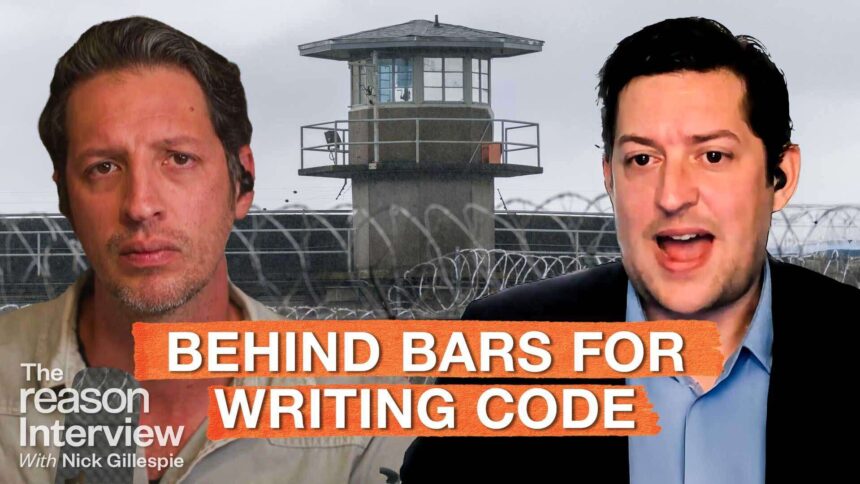
This week, guest host Zach Weissmueller engaged in a poignant discussion with Keonne Rodriguez, the founder of Samourai Wallet, a noncustodial bitcoin privacy tool. Just 48 hours before Rodriguez was slated to report to prison for a five-year federal sentence for conspiracy to operate an unlicensed money transmitting business, the conversation delved deep into the motivations behind Samourai Wallet and its implications for privacy and innovation in the cryptocurrency space.
Rodriguez traced the origins of Samourai Wallet to bitcoin’s cypherpunk roots, emphasizing his conviction that digital cash should provide the same level of privacy as physical cash. He explained the functional design of Samourai, highlighting that it never took custody of user funds, therefore allowing users greater control over their assets.
Addressing the government’s allegations that Samourai facilitated hundreds of millions of dollars in criminal transactions, Rodriguez critiqued the role of blockchain surveillance firms, which he believes shaped those claims. He pointed out the apparent disconnect between the prosecution’s assertions and existing guidance from the Treasury Department’s Financial Crimes Enforcement Network (FinCEN), suggesting that authorities may have overlooked important clarifications meant to align regulatory expectations with actual practices in the cryptocurrency industry.
Despite his belief that he had not violated any laws, Rodriguez discussed his decision to plead guilty, citing overwhelming pressures associated with federal prosecution, such as judicial reassignment and the general adversarial nature of the legal system. This dialogue highlighted the broader implications of his case not just for himself, but for the principles of privacy, free expression, and innovation in a world where governmental scrutiny of technology appears to be intensifying.
Furthermore, Rodriguez reflected on President Donald Trump’s recent comments about his situation and the potential for a pardon. He candidly discussed the challenge of facing prison time for developing a tool intended to enhance individual autonomy, especially in an era characterized by increasing surveillance.
The conversation also touched on significant topics such as the impact of money laundering accusations, the perception of advertising as evidence of guilt, and broader parallels to past crackdowns on encrypted messaging and online marketplaces. Rodriguez expressed concern over the growing trend of governments treating privacy itself as suspicious, underscoring a critical intersection between technology and civil liberties.
This interview stands as a poignant exploration of the tensions between innovation, regulatory frameworks, and the fundamental right to privacy—a debate that is increasingly relevant in today’s technological landscape.