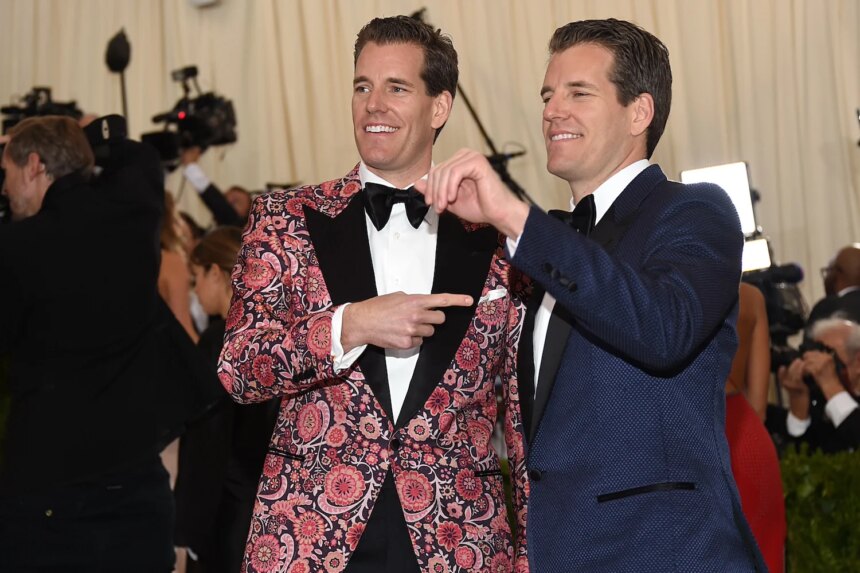
Tyler and Cameron Winklevoss’s cryptocurrency exchange, Gemini, has announced the impending closure of Nifty Gateway, a non-fungible token (NFT) marketplace acquired by the exchange in 2019. Currently, Nifty Gateway is in withdrawal-only mode and is set to cease operations entirely on February 26th. In a statement, Gemini explained that this decision would help refocus their efforts toward building a comprehensive “super app” for customers.
The NFT market gained significant traction from 2021 to 2022, with competitors like Coinbase and Kraken launching their own marketplaces during this period. Among these, OpenSea emerged as a prominent player, rapidly attracting attention and eventually achieving a valuation of $13 billion. However, the NFT landscape has experienced a significant downturn since 2022. The launches by Coinbase and Kraken were indicative of a fragile market that struggled to sustain itself; both companies ended up shutting down their NFT marketplaces in 2024 due to dwindling demand.
At the height of the NFT enthusiasm, pieces like CryptoPunks and Bored Ape Yacht Club commanded staggering prices, often reaching tens of millions of dollars, thanks in part to high-profile endorsements from celebrities such as Tom Brady and Paris Hilton. However, such endorsements came under scrutiny, especially following a lawsuit that named multiple celebrities for their connection to Bored Ape NFTs, alongside reports of insider trading, including the conviction of an OpenSea employee who was sentenced to three months in prison.
As per the CryptoSlam 500 NFT Index—which tracks the largest NFT projects across blockchains—there has been a dramatic decline of nearly 99% since its inception four years ago. Sales volume for NFTs has nosedived from over $1 billion per week at its peak to under $60 million in the early weeks of 2026, highlighting the diminishing interest in digital collectibles.
In a notable recent incident, Coinbase engaged in a marketing stunt that involved deleting a single NFT valued at $25 million. Despite ongoing scandals related to insider trading across different crypto assets, including memecoins that have gained popularity in the absence of NFTs, the outlook for the NFT sector remains bleak. Various lawsuits are still emerging, particularly concerning alleged memecoin schemes, with accusations surfacing against former New York City Mayor Eric Adams.
Efforts to restore credibility to NFTs have led to initiatives aimed at integrating these tokens within the Bitcoin network, embedding actual images directly into the blockchain. However, this has sparked debate over the quality of content on the network, and projects like those operating on the Ordinals Inscriptions protocol have yet to reach the success experienced during the previous NFT boom.
Both Coinbase and Gemini have indicated plans to integrate their NFT capabilities into broader “everything app” solutions. Yet, the reality of NFTs has proven to be less revolutionary than initially anticipated. With centralized issuers tied to many NFT projects, these tokens carry the same centralization challenges faced by the crypto industry overall.
While the ambitious potential of NFTs as presented by tech influencers and industry leaders during the hype might not have materialized, it remains evident that a niche community of enthusiasts continues to engage in collecting and trading digital art and collectibles—albeit on a smaller scale. Just as collectors might cherish Beanie Babies, the ongoing interest in digital artifacts persists, echoing the enduring allure of collectibles, regardless of market trends.