







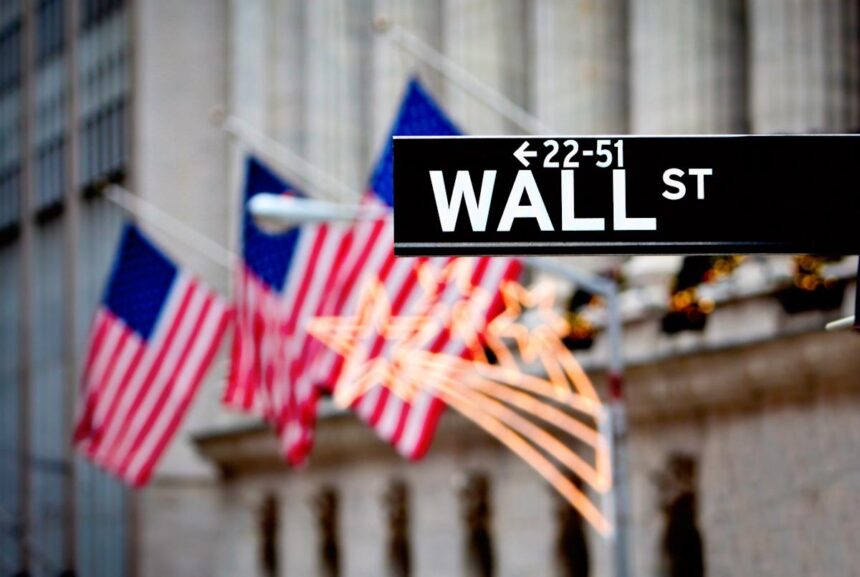
Geopolitical tensions in the Middle East have led to a significant increase in oil prices, raising concerns about potential inflation that could disrupt the U.S. economy. This situation echoes the inflation spike experienced in 2022, which prompted the Federal Reserve to rapidly increase interest rates, causing the S&P 500 index to plunge over 20% and enter a bear market.
Since September 2024, the Fed has implemented six interest rate cuts, and expectations for further cuts were prevalent as Wall Street entered 2026. However, with the recent rise in oil prices and other economic indicators, analysts have had to reassess their forecasts, leading to speculation about possible future rate hikes. This uncertainty contributed to a roughly 9% drop in the S&P 500 last month from its recent all-time high, although the index has shown some recovery since.
In a recent appearance at Harvard University, Fed Chairman Jerome Powell addressed these concerns, making remarks that eased fears of an imminent rate increase. The Federal Reserve has two primary goals: maintaining an annual inflation rate of around 2%—measured by the core Personal Consumption Expenditures Price Index (PCE)—and ensuring the economy operates at full employment, without a specific target for unemployment rates.
Currently, the core PCE has risen from an annualized rate of 2.8% to 3.1% over the past three months. This upward trend in inflation risks poses a dilemma for policymakers, as usual, they would raise interest rates in such circumstances. However, the job market is showing signs of weakness, exemplified by a nonfarm payroll report indicating a loss of 92,000 jobs in February, with the unemployment rate climbing to 4.4%, close to a five-year high. Powell noted that, after adjustments for data inaccuracies during government shutdowns, the private sector has effectively created zero jobs over the past six months. Raising interest rates in this context could worsen the labor market, presenting a challenging situation for the central bank.
Oil prices have a direct impact on the cost of goods transported across various sectors, which means consumers could experience increased prices not just at the gas station, but also at grocery stores and retailers, further driving the core PCE higher. Despite this, Powell mentioned that the Fed typically overlooks short-term supply shocks like the rise in oil prices. He believes that interest rate adjustments take time to influence the economy and may not have the desired effect until the geopolitical tensions have potentially eased.
In light of the current situation, Powell expressed satisfaction with the existing level of interest rates, indicating that the Fed is likely to maintain its monetary policy stance as events unfold. However, he faces a possible change in leadership, as his term as Fed Chair ends on May 15. President Trump’s nominee, Kevin Warsh, is expected to take over, pending Senate confirmation, which could lead to shifts in policy.
Higher interest rates typically hinder corporate borrowing and increase costs, posing risks to corporate profits and subsequently impacting the stock market, which heavily relies on strong earnings. This aligns with the recent decline of 9% in the S&P 500, attributable to concerns over potential rate hikes.
While investors may find temporary relief in the likelihood of stable interest rates, the necessity of lower oil prices within the coming months remains crucial for maintaining this stance. Prolonged high oil prices could instigate a surge in long-term inflation expectations, potentially prompting rate hikes as early as 2027, which would likely keep the S&P 500 under pressure.
Fortunately, the current trajectory does not suggest this outcome is imminent. The Trump administration has outlined a four-to-six-week timeline for the ongoing conflict in the Middle East, with reports indicating that tensions may soon recede. The White House asserts that it is nearing its goals, and diplomatic negotiations are reportedly underway.
Should a resolution occur in the near future, the S&P 500 could begin to recover recent losses. In turn, analysts expect Wall Street to start anticipating renewed interest rate cuts, particularly in response to a softening job market, which could foster further gains in the stock market.


