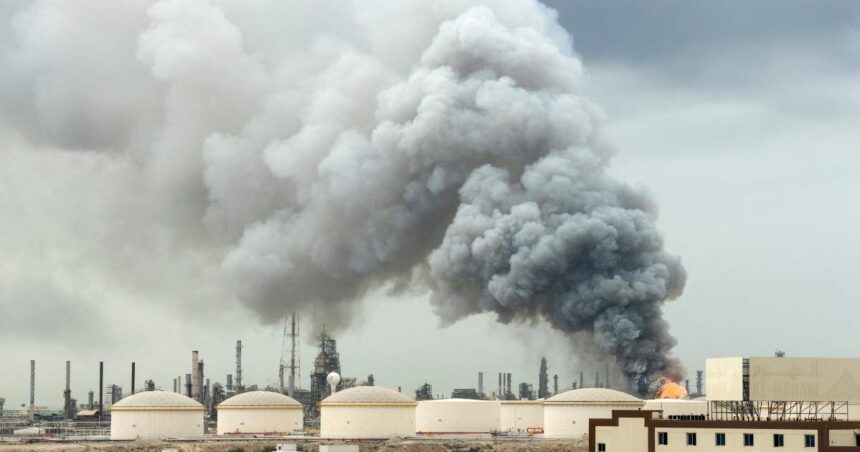
In late March, a significant escalation unfolded in the ongoing conflict between Israel and Iran as both nations launched attacks on gas fields in the Persian Gulf. This unprecedented move has not only intensified military hostilities but also raised profound concerns about the long-term implications for global energy supply, inflation, and economic distress for the world’s poorest nations.
The assaults on critical upstream energy infrastructure by both powers signal a shift in the conflict, with likely repercussions that could last well beyond any potential cease-fire agreements. Even if a cessation of hostilities is achieved soon, experts warn that the reconstruction of the damaged infrastructure could take as long as five years. Should the cease-fire falter, the potential for further devastation looms large, raising the specter of an even worse humanitarian and economic crisis.
The strikes have led to an expected energy supply shock, which analysts predict will significantly drive up inflation across the globe. The classic economic principle of increased demand for limited resources is at play here, as wealthier nations may secure the remaining energy supplies at premium prices, while poorer countries bear the brunt of the ensuing shortages and price hikes.
Following the attacks, U.S. financial markets reacted negatively, with traders betting that the U.S. Federal Reserve would be compelled to raise interest rates to combat rising inflation. This forecast comes as many Americans are already grappling with a cost-of-living crisis. Increased borrowing costs for car loans and mortgages, coupled with elevated prices for energy and consumer goods, will likely exacerbate financial pressures on households.
Moreover, the implications of U.S. interest rate changes extend far beyond national borders. Countries often borrow in dollars, and a rise in U.S. interest rates could jeopardize debt sustainability for many nations, especially those categorized as low-income by the World Bank. These nations already face crippling levels of debt, with those in distress doubling from 24 percent in 2013 to a staggering 54 percent in 2024.
The ramifications of the current conflict are drawing unsettling parallels to past crises. During the Yom Kippur War of 1973, an oil embargo by OPEC members led to a surge in global energy prices, which contributed to rampant inflation and economic strife worldwide. Although not the sole factor in the inflationary spiral of the 1970s, that embargo was a powerful catalyst in a combination of pressures that has begun to echo today’s situation.
As countries struggle to service their debts—all exacerbated by inflation—defaults among developing nations are becoming a grim possibility. Historical lessons underscore the potential for a protracted and painful economic downturn, especially for vulnerable populations such as children and the elderly.
The latter half of the 20th century witnessed a series of debt crises in developing nations following the oil price shocks, where many were driven to distress through a combination of local economic challenges and increased debt obligations induced by external shocks like rising interest rates. In the 1980s, the defaults began with less significant economies but soon spiraled into a widespread crisis that left long-lasting scars.
In the wake of the current geopolitical tensions, any defaults would create a cascade of consequences. For countries that owe significant amounts in U.S. dollars, rising interest rates could mean exponentially higher costs for repayments. Solutions previously used, such as debt restructuring and international initiatives like the IMF’s Heavily Indebted Poor Countries initiative, may not suffice given the more complex creditor landscape of today’s financial world.
China has emerged as a key player in the financing of developing nations, offering loans that are also often denominated in U.S. dollars. Historically, these arrangements have provided immediate relief but now present risks as rising dollar-denominated debt payments become harder to manage.
As the Iranian conflict continues, the International Energy Agency has labeled it as potentially the most significant threat to global energy security in history. The urgency for resolution is clear: years of inflationary pressures, along with prolonged economic instability, put the spotlight on global partnerships and financial systems that must adapt to mitigate the inevitable fallout of a prolonged crisis.
The complexities of borrower-lender relationships today could complicate traditional responses to economic distress, leading to delays in debt relief and further economic suffering. The sooner both Iran and Israel can reach a sustainable peace agreement, the sooner the global focus can shift towards alleviating economic hardships for nations already on the brink of crisis.