Germany’s governing coalition is intensifying efforts to secure a solid majority for a controversial pension reform package ahead of a crucial vote scheduled for Friday. Senior leaders within the coalition are urging party members to support the initiative, emphasizing the need for unity as the country grapples with significant challenges that require stability.
Alexander Hoffmann, the head of the Bavarian conservative Christian Socialist (CSU) parliamentary group, articulated a strong case for the coalition to establish “its own majority,” as he discussed the urgent need for reform in comments made to the Rheinische Post.
Vice Chancellor Lars Klingbeil, representing the center-left Social Democrats (SPD), pointed out the risks of relying on an anticipated abstention from the leftist party in the Bundestag. He stated during an appearance on the public broadcaster ARD that the priority was to “organize our own majority” by the time the vote takes place.
The pension package, which is on the agenda for a midday vote, includes provisions aimed at stabilizing pension levels and increasing “mothers’ pensions” designed to benefit women who have previously been out of the workforce to care for children. This aspect of the reform has been highlighted as a longstanding request from the CSU.
However, younger conservatives within the coalition have expressed concerns over the financial implications of the proposed changes, arguing that they could impose an unsustainable burden on future generations. Specifically, the reforms would allow for an extension of the credited child-rearing time for children born before 1992 by an additional six months, enabling three years of child-rearing to count towards pension contributions for all children, regardless of their birth year. It has been projected that the costs associated with these adjustments could reach €5 billion annually starting in 2027, stabilizing thereafter at around €4 billion per year.
In addition to the mothers’ pensions, the reform package includes two other significant changes: enhancements to occupational pensions and a provision that would permit individuals working beyond the official retirement age to earn up to €2,000 tax-free each month beginning next year.
The political landscape shifted a bit favorably for the coalition after the Left Party announced its decision to abstain from the vote, effectively reducing the threshold for a simple majority from 316 votes to 284. This development suggests that the coalition can still secure the necessary support even if some members choose to dissent.
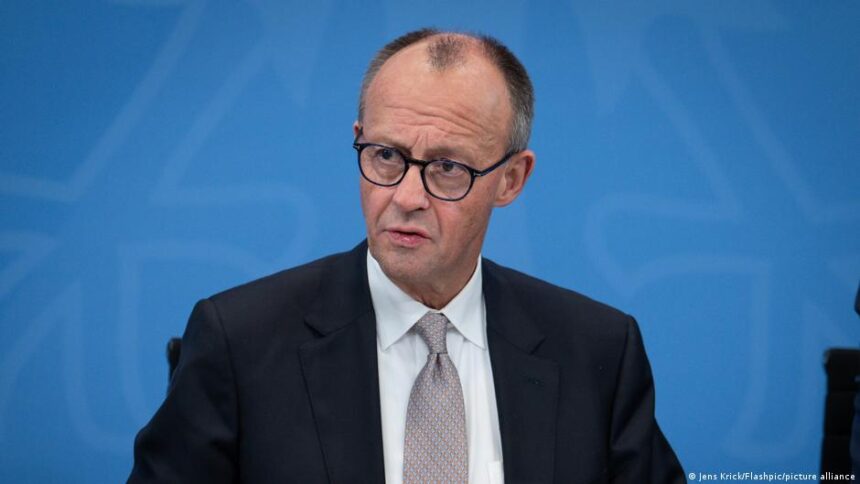
Chancellor Friedrich Merz has expressed his ambition for the coalition to achieve a so-called chancellor majority, which would require gaining support from a majority of all 630 Bundestag members. As the coalition moves closer to the vote, internal discussions and strategies remain critical in determining its success in passing this vital legislative package.