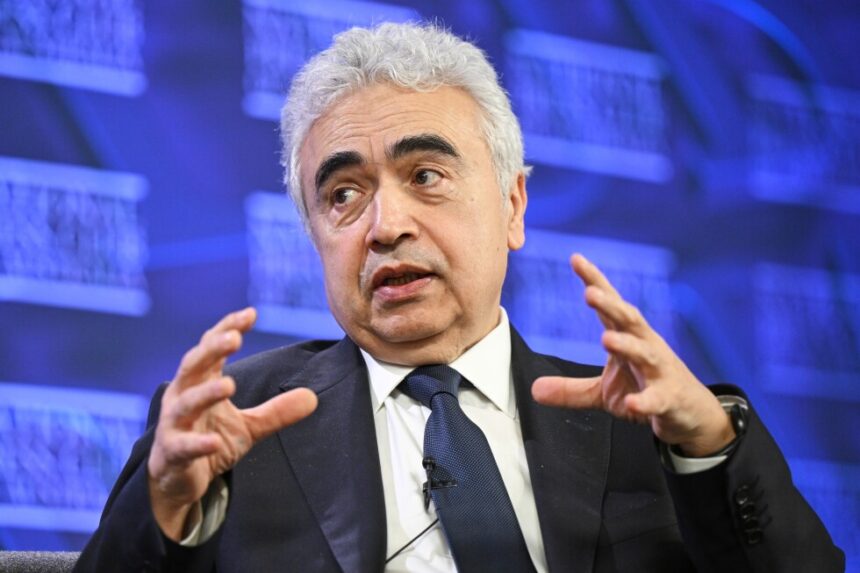
The head of the International Energy Agency, Fatih Birol, has issued a stark warning regarding the escalating crisis in the Middle East, particularly highlighting its potential to disrupt the global economy significantly. During a statement at Australia’s National Press Club in Canberra, Birol declared that the situation poses a “major, major threat,” indicating that no country will be exempt from the resulting challenges if the conflict continues to escalate.
Birol emphasized the dire consequences of the ongoing crisis, noting that its impact on oil has surpassed that of the two oil shocks of the 1970s combined, while also inflicting greater damage on the gas market than the recent Russia-Ukraine war. His comments came amidst renewed hostilities, as Israel launched a fresh wave of attacks targeting Tehran. The tensions have led U.S. President Donald Trump to issue a stern warning to Iran, threatening to “obliterate” its power plants unless the country permits unobstructed access through the Strait of Hormuz within 48 hours. In retaliation, Iran has signaled its intent to target U.S. and Israeli energy and infrastructure if provoked.
Amid these developments, Trump faces mounting pressure domestically to safeguard the crucial waterway, which is vital for global oil shipments. The alarming rise in oil prices raises concerns that prolonged conflict could disrupt Middle Eastern oil and gas production, further amplifying inflationary pressures globally.
Birol articulated that the current circumstances are exceptionally severe, drawing parallels to historical oil crises. He pointed out that the combined losses faced during the oil crises of 1973 and 1979 amounted to 10 million barrels per day, leading to significant global economic challenges. In stark contrast, he reported that the current crisis has already resulted in a loss of 11 million barrels per day, underscoring the unprecedented nature of this situation.
Furthermore, he addressed the crisis in the gas markets, particularly in Europe, where losses have skyrocketed to approximately 140 billion cubic meters, nearly double the impact observed following Russia’s invasion of Ukraine. Birol revealed that around 40 energy assets in nine countries in the region have suffered severe damage, causing interruptions in the trade of critical commodities such as petrochemicals and fertilizers.
To stabilize the markets, the International Energy Agency has undertaken historic measures, releasing 400 million barrels of oil to the market, marking an unprecedented response. Birol noted that opening the Strait of Hormuz is a crucial step toward alleviating the current crisis. He also mentioned ongoing consultations with governments across Europe, Asia, North America, and the Middle East regarding the potential release of additional stockpiled oil, indicating a readiness to take further action based on market conditions.
The escalating tensions and the potential fallout from the Iran war present a critical juncture for the global economy, with leaders and agencies grappling to mitigate the impacts on energy markets and overall economic stability.