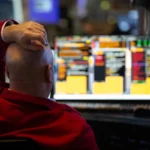
Global markets are grappling with a continuing downturn, marking the fourth consecutive day of losses. Investors are increasingly apprehensive about technology valuations, prompting a downward trend across Asia-Pacific stocks, which have plummeted to a one-month low. This decline reflects diminishing enthusiasm that had previously buoyed market performance, with shares, speculative currencies, and cryptocurrency assets all facing significant declines.
The MSCI index tracking Asia-Pacific shares outside Japan has fallen by 1.8%, reaching its lowest point since mid-October. Notably, South Korea’s KOSPI has seen a decrease of 3.5%, while Hong Kong’s Hang Seng index is down 1.9%. Japan’s Nikkei 225 has similarly experienced a rough session, dropping over 3%, spurred by concerns surrounding escalating geopolitical tensions between China and Taiwan.
In the United States, last night’s stock market performance mirrored this bearish trend, with the S&P 500 closing at its lowest level in a month. European markets are poised for losses as trading commences, reflecting the pervasive uncertainty permeating global financial systems.
The shift in market sentiment is attributable to multiple factors. Investors are increasingly worried that U.S. interest rates may not decrease as quickly as anticipated, a concern exacerbated by recent hawkish remarks from several policymakers. Additionally, anticipation is mounting ahead of Nvidia’s forthcoming earnings report on Wednesday, with the tech industry under heightened scrutiny regarding its spending to support artificial intelligence infrastructure, much of which is reportedly financed through debt.
Amazon’s recent $15 billion bond offering—the first of its kind in three years—has compounded these worries. This issuance comes shortly after similar debt sales from other major tech players like Meta and Alphabet, raising alarms about the sustainability of AI investments when fueled largely by borrowed capital rather than free cash flow.
Michael Brown, senior research strategist at Pepperstone, noted the risks associated with Nvidia’s earnings report, highlighting a shift in market sentiment from a phase where any capital expenditure was perceived positively to a more cautious stance where the ability of firms to monetize their investments is now a critical consideration.
Concerns about the speculative nature of investments are also manifesting in the cryptocurrency market, which has experienced a staggering $1.2 trillion loss in market valuation over the past six weeks. As of today, the global cryptocurrency market cap stands at approximately $3.15 trillion, down from nearly $4.4 trillion just a month ago. Bitcoin, the largest cryptocurrency, has fallen to its lowest value since April, dipping below $90,000 for the first time in seven months and reflecting a nearly 29% decline from its recent peak of over $126,000.
In a related note, Sundar Pichai, CEO of Alphabet, has expressed caution about the fragility of the current AI boom, stating that if the investment environment changes, no company, including Google, will be immune to the fallout.
Additionally, today’s agenda features significant events likely to impact market sentiment further. At 10 am GMT, a Treasury Committee hearing will address the risks and rewards of embracing cryptocurrencies. This will be followed by a speech from Huw Pill, chief economist of the Bank of England, at 1 pm GMT. Market participants will also await the release of U.S. factory orders and durable goods data for August, which had previously been delayed due to lockdown impacts.
As market participants navigate these turbulent waters, the overarching question remains: can the current trajectories of spending and investment sustain themselves amid rising debt obligations and potential interest rate hikes?