The ongoing conflict in Iran has significantly disrupted global oil and gas supplies, leading to an unprecedented surge in prices that is hitting consumers hard at the fuel pump. However, the repercussions extend far beyond just gasoline. Citizens worldwide are now facing a myriad of unexpected shortages and price increases that threaten to impact their daily lives.
In South Korea, the president has urged residents to conserve energy by taking shorter showers. In India, beloved butter chicken dishes have vanished from restaurant menus due to a cooking gas scarcity that impacts preparation times. Meanwhile, the government in the Philippines has instructed officials to reduce electricity consumption by opting for stairs over elevators.
As these shortages spread, various sectors are bracing for increased costs. Aluminum prices have skyrocketed to a four-year high following attacks on two major smelters in the Middle East that were critical suppliers to the United States. This hike could lead to increased prices for aluminum products, notably beer and soda cans, as well as materials used in cars and packaging.
The situation is further complicated by a significant helium shortage. The U.S. is the largest helium exporter, but Qatar, which accounts for nearly a third of global helium supply, has halted production due to the blockade in the Strait of Hormuz. This shortage is already affecting industries in South Korea and Taiwan, where helium is not only essential for birthday balloons but also for crucial medical technologies like MRI machines and for the semiconductor manufacturing process.
The agricultural sector is also bracing for difficulty. Approximately a third of the world’s fertilizer passes through the Strait of Hormuz, and with Gulf nations like Saudi Arabia and Iran facing challenges in natural gas supply, fertilizer production has plummeted. Farmers in the U.S. are feeling this strain acutely; one Pennsylvania farmer reported a staggering 70% increase in nitrogen fertilizer costs, causing him to reconsider planting decisions. Experts predict that American farmers could be short by around 2 million tons of fertilizer this spring, leading to reduced crop yields and potential food shortages globally.
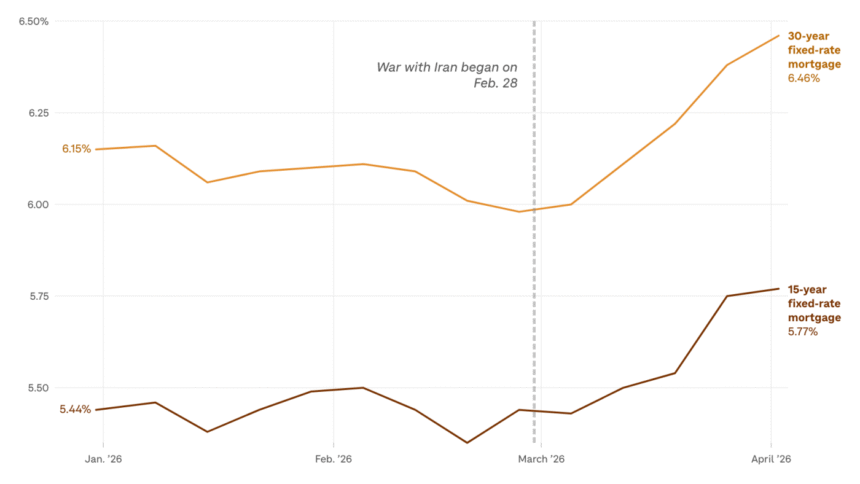
Adding to the economic strain, mortgage rates are climbing due to increased borrowing costs linked to the conflict. Shortly before hostilities erupted, the average 30-year fixed mortgage rate fell below 6%, but it has since risen to nearly 6.5%.
The cost of sulfur, another critical chemical widely used in industries including semiconductor and battery manufacturing, is also poised to rise amid supply chain disruptions from the war. Unlike oil, which can be transported in pipelines, sulfur relies heavily on specific logistical routes that have been compromised.
Lastly, the petrochemical industry—a sector that produces essential materials for a plethora of goods—faces significant challenges as disruptions in the Persian Gulf persist. Even U.S. markets are experiencing price increases, as shortages of plastic pellets are anticipated in the near future, impacting manufacturing processes across various industries.
In India, this ripple effect is palpable as the cooking gas shortage not only hinders homes but also disrupts restaurants, forcing some to shut down or raise prices dramatically. As the conflict continues, the ramifications on everyday products and services worldwide are likely to deepen, creating a challenging environment for consumers and businesses alike.