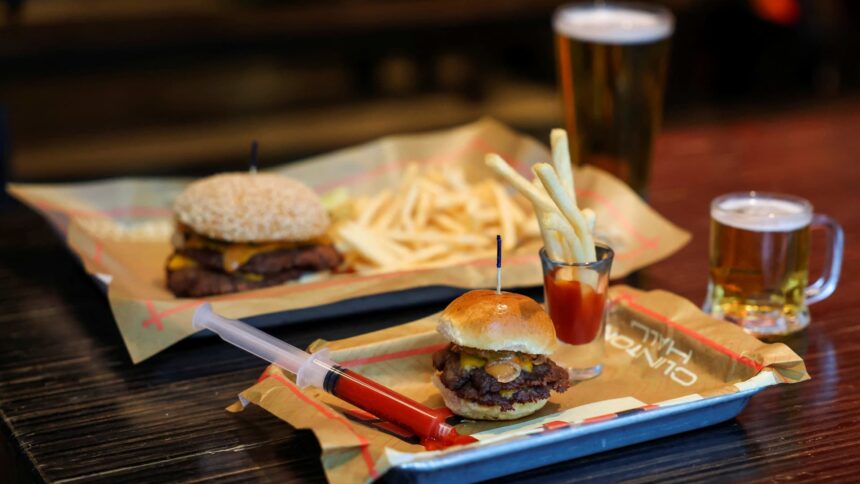
In a notable development within the restaurant and food industry, the rising popularity of GLP-1 medications—designed to support weight loss and diabetes management—has captured attention among food and beverage manufacturers. As of late 2025, approximately one in eight American adults reported using these medications, such as Ozempic and Wegovy. With more consumers adopting these treatments, businesses are waking up to both the challenges and opportunities that come with this trend.
The impact of GLP-1 drugs has been significant. These medications work by slowing digestion, suppressing appetite, and promoting feelings of fullness, which in turn leads to an estimated 21% reduction in calorie consumption among users. A survey conducted by KPMG highlighted that this decrease in caloric intake could translate to an annual revenue loss for the food industry ranging from $30 billion to $55 billion by 2030.
The prevalence of GLP-1 usage is steadily increasing. According to a recent poll by KFF, about 10 million Americans were using these drugs in 2026, a number projected to rise to over 30 million in the coming years. Notably, Novo Nordisk’s Wegovy pill, launched in January, and Eli Lilly’s forthcoming oral version are expected to accelerate this growth.
While the decline in consumption is troubling for traditional food and beverage sales, some companies are responding proactively to meet changing consumer preferences. Initiatives aimed at incorporating high-protein and fiber-rich options are underway, with some businesses branding themselves as “GLP-1 friendly” to draw in health-conscious customers. According to Don K. Johnson from EY-Parthenon, many companies are exploring avenues like smaller serving sizes and emphasizing nutritional content to better align with the dietary habits of GLP-1 users.
Snacking habits are shifting dramatically, with about 70% of GLP-1 users indicating a significant reduction in snack consumption. Traditional snack foods are being replaced with healthier alternatives—think yogurt, nuts, and fruits over chips and pretzels. This trend is making waves across the industry, with 60% of GLP-1 users also dining out less frequently, resulting in substantial implications for full-service restaurants.
The decline in visits to restaurants, particularly during dinner hours, is evident. Reports suggest that dinner traffic has dropped by about 6% among consistent GLP-1 users, translating to a 0.4% decrease in overall restaurant sales. Breakfast options have also been affected, with high-income users cutting back on sugary coffee drinks and pastries, although some establishments adapt to maintain traffic by offering healthier options.
Despite the evident challenges, industry leaders are optimistic about pivoting in response to these new consumer preferences. Executives from major food chains are looking to innovate their menus to cater to the emerging demand for lower-calorie, higher-protein, and fiber-rich foods.
For instance, companies like PepsiCo are introducing protein-packed snacks and foods to tap into the health-conscious market segment effectively. Similarly, Domino’s remains confident that it has not yet seen a significant impact on sales and is prepared to innovate as necessary.
In response to the evolving landscape, brands are also introducing products that target GLP-1 users directly. For example, Nestlé has recently launched a range of frozen foods explicitly aimed at those on these medications, emphasizing attributes like protein and fiber content.
The dynamic is changing rapidly, with manufacturers and chefs alike responding to the unique needs and behaviors of GLP-1 users. The potential for growth through targeted, healthier options appears promising, but understanding the cyclical nature of medication adherence will be critical as these changes unfold.
As the market continues to adapt, the attention on GLP-1 medications highlights a broader shift in consumer preferences toward health and wellness, reshaping how American adults approach food, dining, and nutrition.