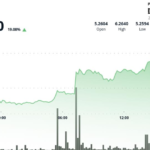
Gold prices soared to a breathtaking high of over $4,380 per ounce on Monday, marking a significant milestone in the precious metal’s value. This unprecedented surge is primarily attributed to growing expectations of further interest rate cuts by the Federal Reserve, fueled by recent data indicating a softer-than-anticipated inflation rate in the United States.
Market analysts are currently forecasting two additional rate cuts in the coming year, a sentiment that has garnered substantial attention following last week’s inflation report. Lower interest rates tend to decrease the opportunity cost of holding non-yielding assets like gold, making them more appealing to investors.
In addition to economic factors, geopolitical tensions are intensifying, further propelling gold prices upward. Recent reports indicate that the US is closely monitoring a third vessel near Venezuela, following the seizure of two tankers earlier this month. Meanwhile, tensions in Europe escalated when Ukraine conducted a strike on a Russian tanker in the Mediterranean Sea, marking a significant development in the ongoing conflict.
This year alone, bullion prices have skyrocketed more than 60%, positioning gold for its strongest performance since 1979. Support for this remarkable rally stems not only from the anticipated economic environment but also from robust central bank purchases and consistent inflows into exchange-traded funds (ETFs) that invest in gold.
As the market continues to react to these dual influences of monetary policy and geopolitical unrest, analysts suggest that gold may keep its upward trajectory for the foreseeable future. Investors remain watchful, weighing potential risks and rewards in a landscape that appears increasingly favorable for the precious metal.