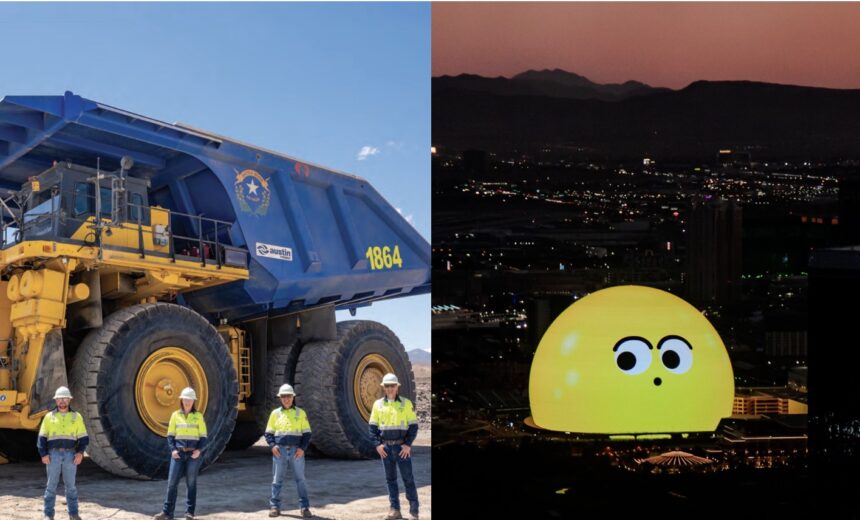
Congratulations are in order for Barrick, Newmont, and other players in Nevada’s storied gold mining sector, as gold prices hit unprecedented highs this week, surpassing $3,600 an ounce. This marks the first time the precious metal has crossed the $3,500 threshold, further emphasizing a remarkable 30% increase since January.
The escalating price of gold isn’t just a passing trend; it reflects deeper sentiments among investors who frequently turn to gold as a “safe haven” during turbulent times. This phenomenon recalls previous spikes during significant events like the aftermath of September 11, the Great Recession, and the recent pandemic.
Analysts point to geopolitical turmoil and disruptions in global trade as primary drivers of this gold rush, linking it indirectly to former President Donald Trump. According to Adrian Ash, a precious metal markets researcher at BullionVault, Trump’s influence over geopolitics has created an atmosphere of uncertainty that understandably prompts investors to seek stability through gold.
Trump’s management of trade relations and his contentious approach to international alliances have fostered a climate of unpredictability, undermining the very foundations of the global economy. If he successfully alters the composition of the Federal Reserve’s Board of Governors, transforming it from an independent institution to a partisan entity, it could destabilize the credibility of the U.S. dollar—widely regarded as the world’s dominant currency since World War II.
In this climate of potential upheaval, investors are investing in gold, even as the price climbs higher. Meanwhile, Las Vegas, a beacon of tourism and entertainment, appears to be feeling the effects of this broader economic anxiety. Visitor numbers have dwindled by 12% compared to last summer, leading to speculation about the reasons behind this decline.
While some believe that rising prices and fees for tourists are to blame, there’s a growing discussion about the impact of the political climate and economic uncertainty on consumer behavior. Many travelers seem to sense that something is amiss, contributing to their decision to avoid Las Vegas this summer.
The narrative around Las Vegas often centers on the idea that clever marketing and branding could solve the challenges facing the tourism sector. However, this perspective risks overshadowing deeper, more threatening factors represented by the current political landscape. The erosion of consumer confidence appears to be a dual problem driven by rising costs and lingering anxieties linked to political leadership.
As Las Vegas grapples with diminishing tourist numbers, it becomes clear that the local economy may reflect a broader national economic sentiment. The city has historically relied on external economic health; when times are tough nationally, Las Vegas often bears the brunt of those pressures, waiting for recovery to trickle down.
The federal government has previously stepped in to support Nevada during financial crises, a move unlikely to align with Trump’s approach. His administration often avoids acknowledging economic struggles, insisting on an image of perfection. Any relief he might consider appears more self-serving than substantive, potentially offering one-time checks funded by high tariff revenues, yet likely falling short of providing real assistance.
While local narratives may focus on “junk fees” and the need for better tourism messaging, the underlying issues are more complex. Both the adverse impacts of rising costs for visitors and the political instability driven by Trump’s policy decisions contribute to the current situation, working together in ways that complicate recovery.
As the gold prices soar, shining a spotlight on Nevada’s mining industry, the state must navigate the turbulent economic waters shaped by both local and national influences. If consumer confidence remains shaky, the allure of Las Vegas may dim—even as the glittering symbolism of gold attracts those seeking refuge in uncertain times.