In a society increasingly focused on lifelong learning, millions of American adults are enrolling in both credit and non-credit college courses to enhance their skills, earn professional certificates, or pursue academic degrees. The motivations vary widely; some are seeking career advancement and better salaries, while others are simply interested in exploring new hobbies or personal interests.
Eric Deschamps, director of continuing education at Northern Arizona University in Flagstaff, emphasized that many older students, often balancing full-time jobs or caregiving responsibilities, are finding opportunities in education that were previously out of reach. With the right programs and support, these learners can navigate their course loads alongside their busy lives.
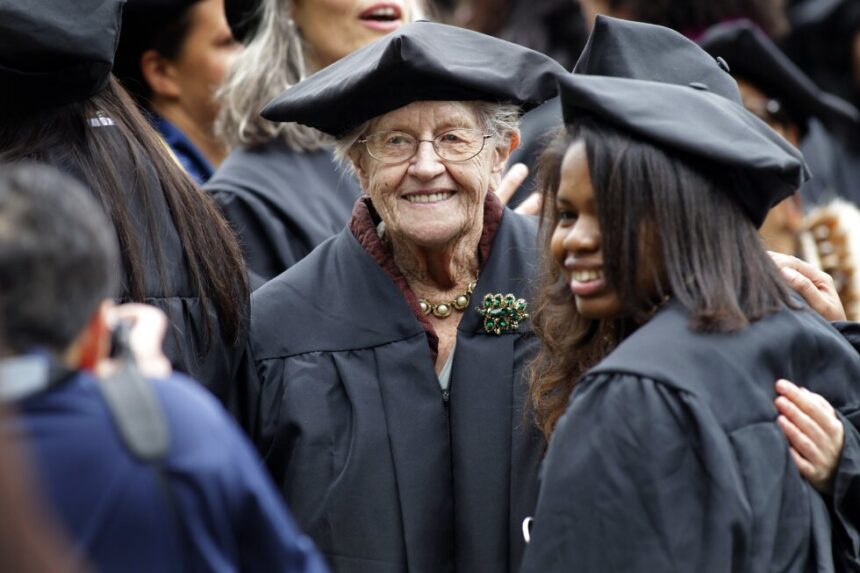
UCLA Extension, the continuing education branch of the University of California, Los Angeles, is meeting this demand by offering over 90 certificate and specialization programs, ranging from interior design to artificial intelligence. With approximately 33,500 students enrolled last year—nearly half of whom were over the age of 35—it’s clear that adult education is gaining traction. Traci Fordham, UCLA’s interim associate dean for academic programs, called these adult learners the “new majority student,” often balancing work and family, while striving for personal or professional development.
In a rapidly evolving job market, many adults feel the urge to adapt as new technologies disrupt traditional career paths. Deschamps pointed out that skills acquired even five to ten years ago may no longer suffice, making continued education essential for many seeking to remain competitive.
Before taking the plunge back into academia, potential students may benefit from a reflective approach, such as assessing their time availability, financial resources, and the long-term benefits of further education. Deschamps suggests contemplating future goals and how additional training can facilitate those ambitions, whether that means starting a new business or transitioning into a different career field.
Both UCLA and Northern Arizona University are actively working to make continuing education more accessible. By offering lower-cost courses compared to traditional degree programs and providing various learning options—including in-person, online, accelerated, and self-paced formats—these institutions aim to accommodate the unique schedules of adult learners.
Katie Swavely, an assistant director for academic advising at UCLA, shared her personal experience of returning to school after a decade. Despite balancing family and financial pressures, she completed her master’s degree in counseling in 2020, thanks in part to employer-sponsored tuition assistance. Reflecting on her journey, she underscored the importance of investing in oneself and finding the right support network.
Recognizing the psychological barriers that many adults face is equally important. Concerns about outdated skills or self-doubt can deter prospective students. Fordham noted that some individuals may not envision themselves in a higher education setting, which can inhibit their pursuit of further education. Swavely encouraged building a supportive community and utilizing available resources, emphasizing that it’s never too late to start learning.
In what is becoming a clearer trend, a significant number of adults are embracing education as a means of personal and career growth. By seeking connections, balancing responsibilities, and recognizing the value of continued learning, many are overcoming challenges and reshaping their futures.