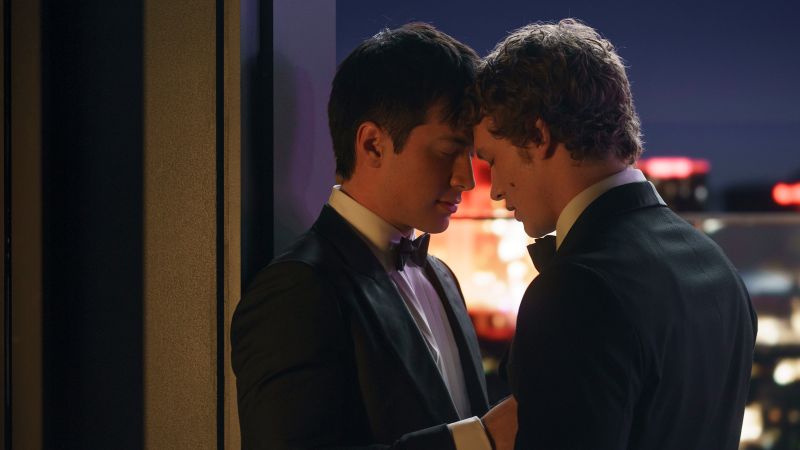
The buzz surrounding HBO Max’s new series, which features two rival male hockey players embroiled in a romance, has captivated audiences and ignited discussions online. The show, adapted from Rachel Reid’s novels, explores the relationship between the two fictional Major League Hockey stars, Shane Hollander and Ilya Rozanov.
Shane, portrayed by Hudson Williams, is a mild-mannered Canadian groomed for success by his overbearing parents. In contrast, Connor Storrie’s Ilya, hailing from Russia, presents a tougher exterior, often engaging in provocative behavior. Their dynamic encapsulates the classic trope of opposites attracting, a narrative that has been a staple across numerous movies and TV shows.
What sets “Heated Rivalry” apart is its unabashed portrayal of intimacy and sexuality. Viewers see the characters navigate their sexual encounters in a way that is refreshingly open and authentic. The show dives into their lives beyond the rink, revealing a candid depiction of their romantic escapades. Unlike many series that shy away from explicit content, this one embraces it, providing an engaging exploration of consent and connection that feels far removed from the often muted portrayals commonly seen in mainstream media.
The fascination around the series has led to a flurry of memes and discussions on social media, with hashtags like “gay hockey show” trending among viewers. The first three episodes have prompted questions about the source material and an intriguing shift in interest from traditional heterosexual narratives to a more nuanced representation of same-sex relationships.
However, some critics have voiced concerns over reductive interpretations of the series. Comparisons to other popular shows, such as “The Summer I Turned Pretty” or “Bridgerton,” highlight a potential double standard in how queer narratives are received and described. Advocates argue that “Heated Rivalry” deserves a more nuanced analysis, given its exploration of themes related to identity, emotional growth, and the complexities of romance in the hyper-masculine world of professional sports.
As the storyline unfolds, viewers witness not only the heated physical connection between Shane and Ilya but also the emotional stakes involved in their relationship. As closeted characters in a sport where queerness is still largely unacknowledged, their journey is steeped in both intimacy and internal conflict. This dual focus has resonated with audiences, emphasizing the need for representation that encompasses not just romance but also the struggles and triumphs of LGBTQ+ identities.
The series has sparked dialogue about its impact on the romance genre and the broader entertainment landscape. Many viewers express hope that it signals a shift in the portrayal of queer relationships, advocating for adaptations that remain faithful to the source material’s emotional depth and erotic tension.
Each new episode drops on Thursday nights on HBO Max, inviting viewers to engage with its storylines while reflecting on the importance of inclusivity in media narratives. As the series continues to gain traction, its potential to inspire curiosity and open discussions about romance in all its forms remains a promising facet of modern storytelling.