In a week marked by significant economic discussions, Rep. Dan Meuser, R-Pa., took to the airwaves to analyze President Donald Trump’s visit to Pennsylvania, highlighting the challenges many Americans face with rising living costs. Central to this discourse is the Federal Reserve, which plays a critical role in shaping the economic landscape, particularly through its influence on borrowing costs. While the Fed does not directly set prices for everyday goods like groceries or vehicles, its interest rate policies significantly impact how much it costs to finance major purchases such as homes and cars.
At present, high interest rates have led to increased monthly payments on various loans—mortgages, auto loans, and credit cards—making it more difficult for families to manage their budgets. Although prices for homes and vehicles may not have risen significantly over the past year, the expense of financing these purchases has surged due to elevated borrowing costs. Consequently, many households are experiencing what feels like a secondary inflation, as they grapple with the increased financial strain of servicing loans amidst an environment of stagnant prices.
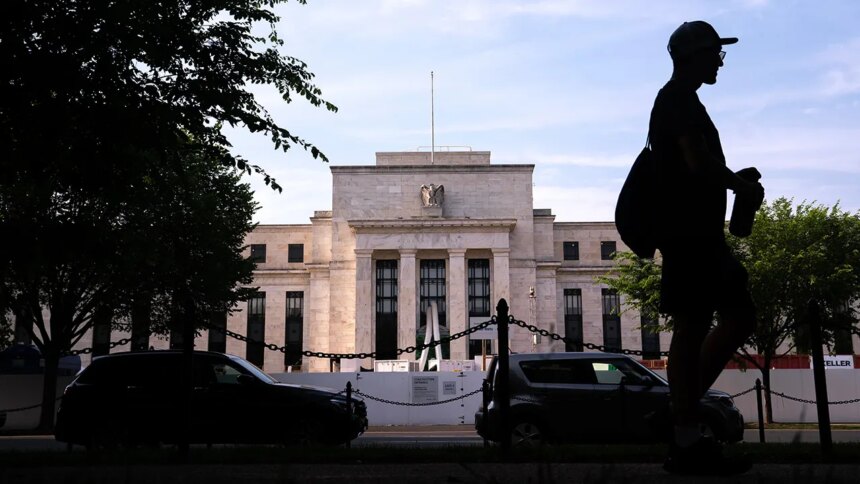
As the Federal Open Market Committee convenes this week for its policy meeting, the focus is on whether interest rates will remain unchanged or potentially decrease. The implications of this decision are vast, particularly for family budgets heavily reliant on housing and automotive expenses. Economists are warning that affordability issues are unlikely to see any substantial improvement until the Federal Reserve adopts a more aggressive stance on cutting interest rates, a measure that could alleviate some of the pressure on long-term borrowing costs.
Amid these economic challenges, Trump’s narrative regarding the economy has come under scrutiny. Despite his assertions that prices are “coming down” and his attempt to shift blame towards President Biden and the Federal Reserve, many voters are expressing skepticism. A recent Fox News survey revealed that a striking 76% of voters view the economy unfavorably, a sharp increase from previous months. Furthermore, a considerable portion of the electorate attributes the current economic downturn to Trump, indicating a disconnect between his messaging and public sentiment.
Trump’s ongoing nationwide tour, aimed at discussing his economic agenda, has coincided with rising accusations from critics who argue that his policies have contributed to worsening affordability crises. Democratic candidates have successfully leveraged this sentiment in recent elections across states like Virginia, New York, and New Jersey, where they focused on affordability issues, positioning themselves as solutions to the economic challenges facing constituents.
In New York City, the emphasis on affordability was central to the campaign of Mayor-elect Zohran Mamdani, who communicated a commitment to tackle high energy costs, expand affordable housing, and support middle-class wage growth. This resonates with a broader trend that reveals voters are increasingly swayed by candidates who address their financial concerns head-on.
As the Federal Reserve prepares for its critical decision on interest rates, the stakes are particularly high. This forthcoming announcement could significantly alter the economic trajectory and impact the affordability of everyday life for millions of Americans heading into the new year. The careful balance between curbing inflation and fostering economic growth will undoubtedly be closely scrutinized as both political and economic implications unfold.