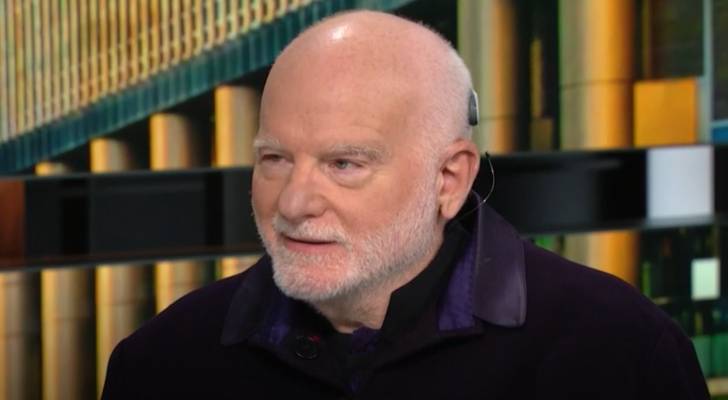
The U.S. stock market has shown resilience in 2023, despite ongoing tariff uncertainties. However, a recent slowdown in performance has raised concerns among high-net-worth investors, who are now diversifying their portfolios away from traditional equities. Michael Sonnenfeldt, the founder of Tiger 21—an exclusive network for ultra-high-net-worth individuals—notes that these wealthy investors are opting for more conservative allocation strategies.
Sonnenfeldt highlighted that the average member of Tiger 21 possesses assets exceeding $100 million and has recently pulled back slightly from the stock and real estate markets. He reported a notable increase in investments in private equity, cash, fixed income, gold, and bitcoin, signifying a more defensive investment posture amid market jitters. With Wall Street remaining skittish over high expectations for stock performance and fears of a potential AI bubble, this cautious approach reflects a shift in strategy.
Investors are increasingly drawn to cash and fixed income as they seek liquidity and stability after years of low-interest rates. In addition to these traditional options, gold has gained traction as a safe haven. Historically known for its ability to withstand economic instability, gold’s price has surged over 60% this year, recently peaking at about $4,350. This trend highlights investors’ growing trust in gold amid ongoing economic uncertainties.
For those interested in capitalizing on gold’s status as a stable asset, options such as a gold IRA are gaining popularity. This type of account allows investors to hold physical gold or related assets within a retirement framework, providing the tax benefits of an IRA coupled with gold’s protective qualities.
Bitcoin, once viewed primarily as a speculative asset, is also being recognized as a viable alternative during tough economic times. Although its value has experienced significant fluctuations—from an all-time high of approximately $126,200 in October to around $85,500—many investors remain optimistic about its future prospects. Its inherent scarcity, capped at 21 million coins, adds to its appeal as a store of value, especially in uncertain times.
While the Tiger 21 members have reduced their exposure to stocks, Sonnenfeldt emphasizes that they are not abandoning equities altogether. He suggests that while there may be minor pullbacks, the long-term outlook on stocks remains bullish. He underscored the importance of wealth preservation for investors who have amassed fortunes through entrepreneurship but are now tasked with sustaining that wealth through investment.
The conversation surrounding investment strategies naturally evokes comparisons to Warren Buffett, whose track record over decades boasts returns that many aspire to replicate. Buffett has famously advised that a simple, effective strategy for the average investor is to allocate funds in an S&P 500 index fund, given the instant diversification it offers across major U.S. companies.
Alongside this focus on stocks, real estate continues to be viewed as a reliable wealth-preserving asset. Inflation tends to drive up property values, and rental income can provide cash flow that adjusts with rising costs. Buffett himself has highlighted real estate as a wise investment, noting its intrinsic value given the constant need for housing.
For investors looking to enter the real estate market without the burdens of traditional ownership, crowdfunding platforms present a modern solution. Options like Arrived allow individuals to invest in rental properties with minimal capital, while Mogul offers fractional ownership opportunities in carefully selected single-family homes.
As investors navigate these volatile markets, they are leveraging various asset classes to enhance their portfolios. From traditional investments like stocks and real estate to emerging assets like bitcoin and gold, the adaptive strategies adopted by high-net-worth individuals reflect a changing landscape in the investment world.