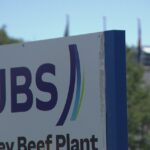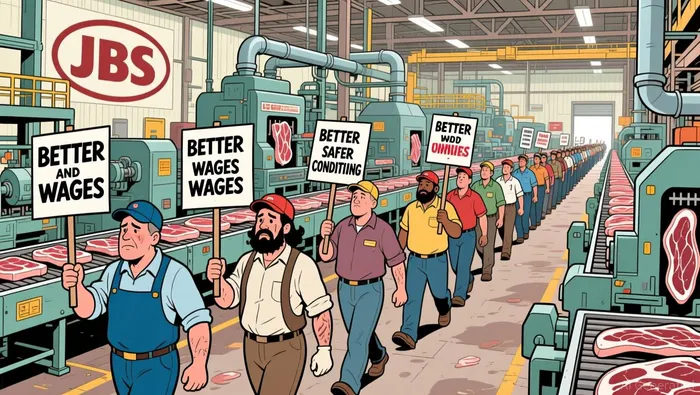
A significant labor dispute has unfolded at JBS’s Swift Beef Co. plant in Greeley, Colorado, marking the first major U.S. meatpacking strike in four decades. Over three thousand workers initiated a walkout on March 16, primarily composed of foreign-born laborers. Their protest comes amid stalled wage negotiations and calls for improved working conditions, particularly company-funded protective gear and wage increases that reflect the rising cost of living.
This strike is not merely an isolated labor issue but rather a reflection of broader macroeconomic challenges affecting the beef industry. As of January 1, 2026, the U.S. cattle herd hit a 75-year low of 86.2 million head, a decline driven primarily by drought and low prices for ranchers. This significant shortfall in supply has been a major contributing factor to the soaring prices of beef. The Greeley plant processes about 7 percent of the nation’s daily beef supply, making its shutdown a substantial disruption in an already constrained market.
Labor expenses add to the pressures faced by a supply chain already grappling with inflation. The union’s request for better wages and healthcare reflects a recognized need, but it occurs against a backdrop where costs are rising throughout the supply chain—from ranchers to retailers. The strike underscores vulnerabilities within the supply chain, characterized by limited cattle availability combined with pressing labor concerns. Although workers have agreed to return to the job while negotiations resume with JBS, the underlying economic pressures prompting the strike remain unresolved.
The situation is exacerbated by a growing imbalance in supply and demand. The demand for retail beef has surged, with the all-fresh beef demand index hitting a record high in 2025. This rise coincides with a significant drop in domestic beef production and an increase in imports, indicating that the supply is struggling to keep up with consumer demand. Consequently, retail beef prices have reached a historic peak, climbing to $9.64 per pound in February 2026.
The surging prices of beef have political ramifications, compelling the government to take action. The Trump administration has initiated antitrust investigations into dominant meatpackers and expanded import quotas from Argentina in an effort to alleviate consumer costs. This response emphasizes how the price increases have evolved into a potential political liability.
On the financial front, meat processors are experiencing heightened strain. Companies like Tyson Foods and JBS have reported substantial operating losses in their beef divisions, underscoring the severity of the situation. The USDA has projected further increases in wholesale beef prices, indicating that the pressure on profit margins is likely to persist.
As the beef market operates under these high-stake dynamics, the resolution of the labor dispute at the Greeley plant stands as a crucial catalyst. If negotiations falter and the strike reignites, it could lead to considerable volatility in an already sensitive market. The situation is further complicated by the USDA’s projections about the national cattle inventory, particularly regarding future calf crops.
Political actions aimed at influencing supply dynamics will also play a pivotal role in determining the future of the sector. The effectiveness of the administration’s measures may either ease the price surge or exacerbate tensions, depending on their outcomes. Monitoring these developments will be essential in understanding whether the current equilibrium in the beef market can sustain itself or if it will descend into further instability. The interplay of labor negotiations, calf crop data, and political interventions will essentially shape the path forward for the industry amid ongoing economic challenges.