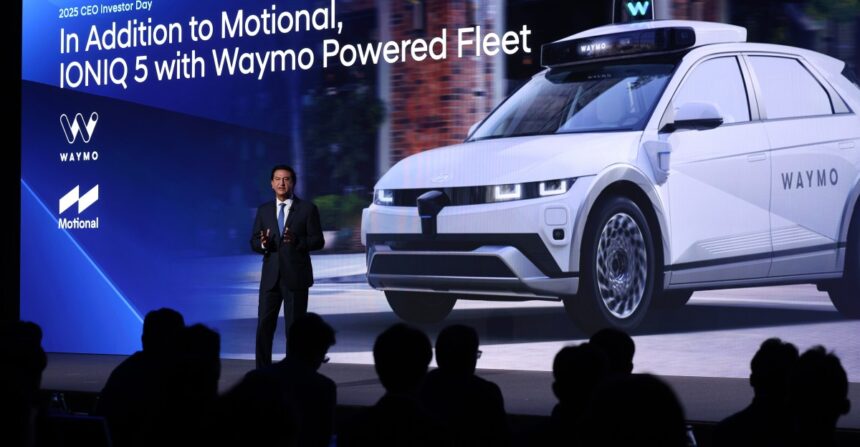
In a recent statement, Muñoz expressed disbelief upon hearing news of a raid that led to the arrest of 475 workers at a battery plant in Georgia, which is a joint operation between Hyundai and LG Energy Solutions. Muñoz stated that he expected to be informed about such significant events prior to any media reports, reflecting confusion over the circumstances surrounding the incident. He remarked, “I could not believe what I saw because I would have known, probably before the news,” and found it strange that he was not privy to this information. He further clarified that the raid occurred at LG’s facility, not at Hyundai’s Metaplant, leading to his frustration over the media’s misrepresentation, which included photos of the wrong site.
Muñoz compared his situation to confusion often seen in news reporting, likening it to a hypothetical scenario involving Fox News. He emphasized that the constant portrayal of Hyundai’s facility in the media incorrectly paints a picture of the raid’s actual location, amplifying misinformation.
This incident has broader implications, especially considering that just days prior, Muñoz confirmed that construction on the plant would face delays of two to three months due to labor shortages. The September 4th raid has raised concerns among foreign companies about the potential repercussions of heightened immigration enforcement under the current administration. President Trump has announced measures allowing foreign firms to temporarily bring in specialized experts to train American workers, but critics argue that such steps may not mitigate the long-term impact of the immigration crackdown.
Labor experts have warned that the raid, which targeted a situation common to foreign automakers establishing new facilities in the U.S., could deter foreign investment in the country. This situation highlights the complexities and challenges that arise in the growing electric vehicle sector, where skilled international labor is often necessary.
Muñoz defended the foreign workers involved in the plant’s construction, arguing that the required expertise largely does not exist domestically. He advocated for the establishment of a new visa category specifically for skilled workers involved in such significant projects, suggesting that a proactive approach is needed to prevent future incidents of this nature. He noted the importance of collaboration between the U.S. and South Korean governments to devise solutions that mitigate the risk of similar occurrences, acknowledging that both sides recognize the need for improvements in how these situations are handled.