The International Monetary Fund (IMF) has recently announced ongoing discussions regarding El Salvador’s Bitcoin initiative, focusing on enhancing transparency, safeguarding public resources, and mitigating inherent risks. This move comes as the IMF enters advanced negotiations related to the government’s distressed Chivo crypto wallet, which has faced numerous accusations of identity theft, fraud, and technical bugs since its inception.
The Chivo wallet, designed as the first government-run platform for Bitcoin transactions, has garnered significant criticism. One of the architects behind the wallet previously suggested that the government should consider shutting it down amid the controversies it has sparked over the past year.
In 2024, following strained relations due to its Bitcoin undertaking, El Salvador secured a $1.4 billion loan from the IMF. At that time, Stacy Herbert, the director of the National Bitcoin Office of El Salvador, indicated that the Chivo wallet might be sold or wound down. Notably, she assured that several private sector Bitcoin wallets would continue to serve the nation’s crypto market.
In a recent update, the IMF has reiterated that talks related to Bitcoin will prioritize transparency and risk management while lauding the nation’s economic growth, which is reportedly expanding at a rate faster than initially expected. The IMF projects real GDP growth for El Salvador to reach around 4% this year, with optimistic forecasts for the coming year.
This announcement coincides with the second review of El Salvador’s 40-month Extended Fund Facility (EFF), indicating a monitored approach to the country’s economic strategies.
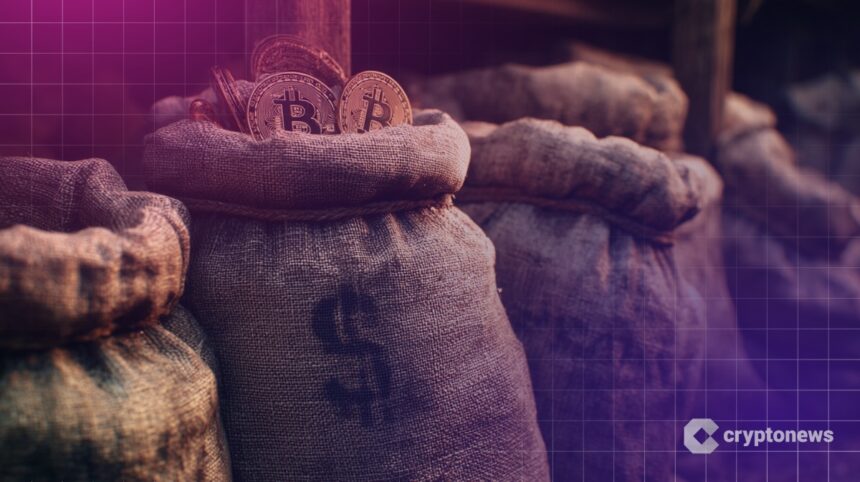
In an interesting turn of events, El Salvador has continued to increase its Bitcoin holdings, recently adding 1,098 BTC to its national treasury, valued at nearly $100 million. This move is part of its strategy to accumulate Bitcoin, despite experiencing a market sell-off. According to transaction data from the National Bitcoin Office, El Salvador’s reserves have now grown to 7,509 BTC, maintaining a policy of daily acquisitions of one Bitcoin even amid periods of significant market volatility.
Earlier this year, the IMF expressed intentions to halt further Bitcoin accumulation by El Salvador. However, President Nayib Bukele took to social media in early March to assert that the country would continue its Bitcoin acquisition strategy, stating that it would persist despite international criticism and challenges, reaffirming a commitment to its original crypto-based economic plan.