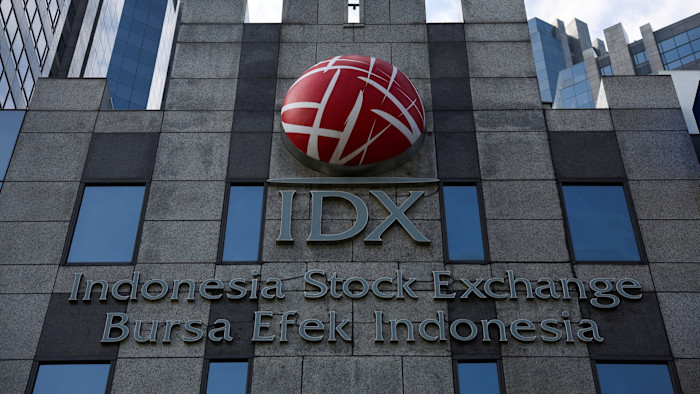
Indonesian stocks have experienced a significant downturn recently, plummeting by over 15% within just two days, primarily spurred by a sell-off following the MSCI’s alert regarding the market’s investability. The Jakarta Composite index saw a staggering decline, dropping as much as 10% on Thursday. This drop warranted a 30-minute trading halt—one that came after another interruption the previous day, where the market had already tanked more than 7%.
The catalyst for this unprecedented sell-off was MSCI’s announcement that it had identified “fundamental investability issues” concerning the data feed of publicly traded shares on the Indonesia Stock Exchange. The report, released earlier this week, indicated that if these issues remain unresolved by May, Indonesia might be downgraded from an emerging market to a frontier market.
Goldman Sachs weighed in on the situation, downgrading its ratings on Indonesian stocks. The firm indicated that MSCI’s decision, in tandem with the looming prospect of a loss of emerging market status, is likely to incite considerable selling pressure.
This upheaval in the Indonesian stock market unfolds against a backdrop of broader uncertainties regarding the country’s economic outlook and fiscal stability under President Prabowo Subianto. The president has committed to increasing social spending, even as government revenues face a downward trajectory.
On that same Thursday, the Indonesian rupiah weakened by as much as 0.5% against the dollar and has been hovering near all-time lows. This depreciation is compounded by concerns over the independence of the central bank, particularly following Prabowo’s nomination of his nephew as deputy governor—a move that received parliamentary approval this week.
In its announcement, MSCI noted that numerous investors had voiced significant concerns regarding how shareholders are categorized by an Indonesian data provider. These concerns were brought to the forefront during a consultation about the free float of Indonesian securities. The organization pointed to a lack of transparency in shareholding structures and “concerns about possible coordinated trading behavior” within the market.
Historically, Indonesia has grappled with issues surrounding concentrated ownership of publicly traded companies, especially those large conglomerates controlled by wealthy individuals.
Economic analysts, such as Jason Tuvey from Capital Economics, remarked that the recent slide in Indonesia’s stock market signifies yet another challenge that investors must navigate. Tuvey opined that a substantial amount of negative market sentiment seems to have already been accounted for in current pricing.
Wee Khoon Chong, a senior strategist at BNY in Hong Kong, stated that foreign investors have been actively offloading Indonesian equities. He cautioned that the steep decline in share prices could lead to further outflows of investments. The timing of this financial turmoil coincides with prevailing pressures on Indonesia’s currency, exacerbated by fiscal deficits and depreciation woes.