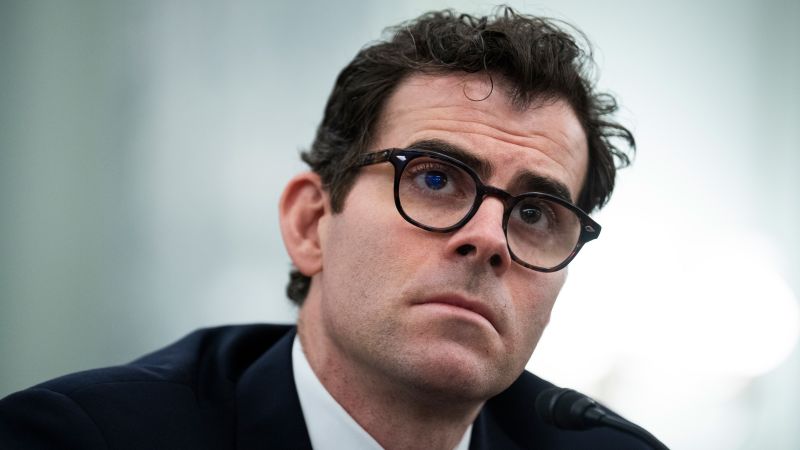
In a pivotal moment during an ongoing trial addressing social media addiction, Adam Mosseri, the head of Instagram, asserted that he does not believe users can be “clinically addicted” to the app. His testimony is part of a landmark lawsuit initiated by a now 20-year-old woman known as Kaley, who alleges that Instagram and its parent company Meta deliberately created addictive features detrimental to the mental health of young users.
This lawsuit is notable as it is the first of over 1,500 similar cases to reach trial, potentially setting a precedent regarding the accountability of social media giants for claims of mental health harm to adolescents. During the proceedings, Kaley’s attorney, Mark Lanier, scrutinized Instagram’s commitment to user safety, questioning whether profits are prioritized over the well-being of minors. The trial offers a rare glimpse into Mosseri’s perspective on Instagram’s operations; he noted that he had never previously testified in such a capacity.
Mosseri acknowledged “problematic use” of Instagram, likening it to binge-watching television, though he maintained that addiction was not applicable. “It’s relative,” he explained, adding that individual experiences with the platform vary widely, suggesting users might sometimes engage with Instagram longer than they feel comfortable.
Following his appointment as the head of Instagram in 2018, Mosseri has faced scrutiny, particularly since the release of internal documents by whistleblower Frances Haugen, which suggested a recognition within the company of the harmful effects Instagram might have on users, especially teenage girls. Despite these concerns, Mosseri claimed that the notion Instagram targets teens to maximize profits is inaccurate, stating that the platform generates less revenue from teenagers compared to other demographic groups due to their limited spending power.
In response to the lawsuit, Instagram has introduced enhanced safety features tailored for younger users, including privacy settings and content restrictions aimed at promoting their well-being. However, Kaley began her Instagram usage at just nine years old, far below the app’s minimum age requirement of 13. Although Instagram has started implementing AI-driven age verification technology, doubts linger regarding its efficacy.
Kaley’s attorney highlighted features such as “infinite scroll” and the “like” button as mechanisms that foster addiction-like behaviors in teens, compelling them to seek validation. He also linked the use of beauty filters on the platform to body dysmorphia, arguing that these tools contribute to mental health issues among young users. During questioning, Lanier brought up an instance where Kaley reportedly spent over 16 hours on Instagram in one day, prompting Mosseri to assert that such usage could be deemed “problematic.”
Outside the courtroom, families affected by social media-related tragedies gathered, emphasizing their commitment to seeking accountability from platforms like Instagram. One parent, Julianna Arnold, recounted her daughter’s death, underscoring the platform’s role in connecting her daughter to dangerous situations.
Lanier pressed Mosseri regarding Instagram’s beauty filters, noting internal discussions around their potential harms. In response to earlier decisions to ban certain filters considered harmful, Mosseri confirmed that while some features were initially removed, others were allowed back into use based on business competitiveness.
Further, Mosseri disclosed his salary, stating that while his base pay is approximately $900,000, his total compensation, inclusive of bonuses and stock options, can exceed $10 million annually. This sparked questions about whether financial motivations influence decisions about product features that might affect user health.
The trial references an internal study known as “Project Myst,” which allegedly identified a correlation between adverse experiences in young users and increased likelihood of Instagram addiction. Mosseri acknowledged the existence of the study but could not recall specific details, emphasizing his support for ongoing research.
Contrarily, a Meta lawyer argued that Kaley’s personal difficulties, rather than Instagram, were primarily responsible for her mental health issues, presenting testimonies from therapists suggesting social media was not a central factor. Meta reiterated this defense, insisting that the evidence would demonstrate Kaley’s mental health struggles stemmed from pre-existing challenges faced before her social media usage.
Kaley’s attorney contended that Mosseri’s testimony indicates a conscious choice by Instagram’s executives to prioritize growth over the safety of young users, claiming the platform continued to implement designs meant to prolong user engagement, despite knowing the associated risks. As the trial unfolds, the jury is expected to navigate complex legal frameworks surrounding the responsibilities of social media companies, particularly referencing federal protections that limit liability for user-generated content.