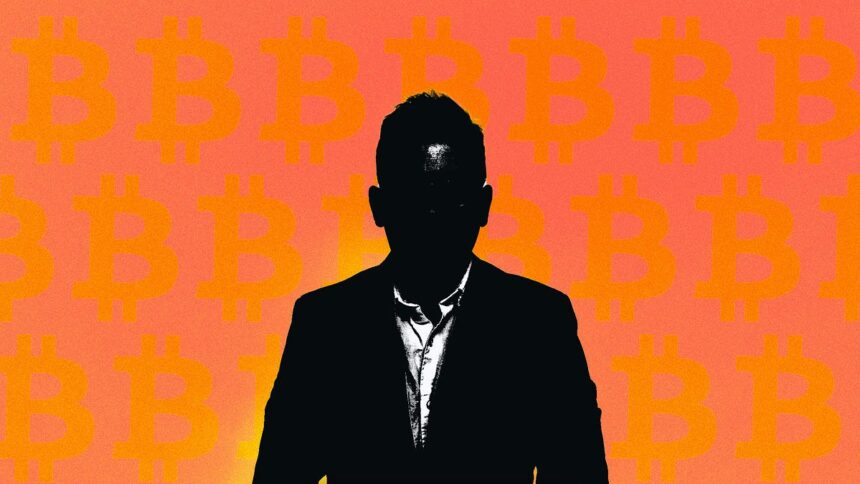
The enigmatic identity of Satoshi Nakamoto, the pseudonymous creator of Bitcoin, continues to captivate and perplex analysts, journalists, and the general public alike. Satoshi’s mysterious persona first emerged in 2008 with the publication of a white paper detailing the foundations of what would become Bitcoin. After announcing his departure from active development in 2011, Satoshi seemingly fell off the map, leaving behind only a handful of communications, including two emails from 2014 and 2015 of questionable authenticity.
This enduring mystery has spurred numerous investigations and theories about Satoshi’s true identity. A recent inquiry by The New York Times, conducted by journalist John Carreyrou, has reignited the debate, suggesting that British crypto chief Adam Back might actually be the individual behind the pseudonym. Carreyrou’s investigation traversed a range of clues, from Satoshi’s early fascination with anonymous digital currency to distinctive features in his writing style that some analysts believe mirror Back’s own.
This theory echoes findings from two years prior when an HBO documentary titled “Money Electric: The Bitcoin Mystery” named Canadian programmer Peter Todd as a potential candidate for Satoshi, proposing that he might have collaborated with Back, who was credited with a more significant influence on Bitcoin’s conceptual genesis. However, both Back and Todd have unequivocally denied any connection to Satoshi.
The ongoing quest to uncover Satoshi’s identity is not limited to the crypto sphere; it has extended into the realms of history and popular culture, becoming one of the most intriguing enigmas of modern times. Over the years, various claims have surfaced, each met with skepticism and often debunked soon after. In 2014, Newsweek famously reported that Satoshi was an unemployed Japanese-American programmer, but that identification quickly unraveled under scrutiny. Similarly, Wired implicated Australian cryptographer Craig Wright as the mastermind behind Bitcoin, a claim later proven false as Wright was revealed to be an impostor.
The relentless speculation surrounding Satoshi Nakamoto reveals a collective yearning for closure regarding the identity of the figure who initiated a revolution in finance and technology. As digital currencies gain increased traction, the question remains: Who is Satoshi, and do we have a right to know? The ongoing pursuit of this mystery continues to engage a diverse audience, from seasoned crypto enthusiasts to casual observers intrigued by the intersection of technology and anonymity.