One evening in the fall of 2024, during a traffic jam on the Long Island Expressway, a couple’s drive took an unexpected turn as they switched from music to a tech podcast. The episode featured discussions on a groundbreaking HBO documentary alleging to have revealed the identity of Bitcoin’s elusive creator, Satoshi Nakamoto. The listener was captivated, recalling his own unsuccessful attempts to unravel this modern-day mystery over the years.
This topic had long intrigued him; two years prior, he had even immersed himself in research for a potential book, only to find himself baffled by the enigma. The podcast’s claim that someone might have finally identified Satoshi stirred a blend of admiration and envy in him, driving him to watch the documentary as soon as they got home.
However, upon viewing “Money Electric: The Bitcoin Mystery,” he found the conclusions unconvincing, leaning heavily on suspect evidence surrounding a Canadian software developer. Amidst the entertaining narrative, a moment jumped out: a scene featuring British cryptographer Adam Back. Back’s body language revealed a notable tension when his name was mentioned amongst Satoshi candidates, a reaction that piqued the listener’s curiosity further.
Reflecting on Back’s response, the listener was reminded of an Australian impersonator embroiled in legal woes for falsely claiming to be Satoshi. The evidence unearthed during that trial provided a wealth of previously unseen communications between Bitcoin’s early collaborators, including Satoshi’s emails. This trove offered unprecedented insight that could potentially lead him to unravel the mystery of Satoshi’s true identity.
In the 16 years since Bitcoin’s inception, numerous suspects had emerged, each presenting their own narratives and theories. A staggering 100 names had surfaced, from a Japanese engineer to an unemployed American and even a mathematician depicted in film. The compelling theories had often hinged on peculiar coincidences: writing styles, backgrounds in cryptography, and certain ideological leanings like an anti-government sentiment. Yet, every attempt had crumbled under the weight of inconsistencies or a strong alibi, much to the delight of the Bitcoin community.
Despite the daunting task ahead, the listener felt a burgeoning excitement at the prospect of piecing together a challenging story. With adamant resolve, he delved into Satoshi’s writings and the new cache of emails from the trial. The exploration revealed Back’s British spelling and mixed idioms — suggestive clues pointing to his likelihood of being Satoshi.
Back was not only a prominent British figure within the Cypherpunks — an underground group advocating for privacy and cryptography — but his invention, Hashcash, had directly influenced Bitcoin mining mechanics. However, communications implicating Back during the Australian impostor’s trial seemed paradoxical; a conflict that suggested the possibility that Back might have created an elaborate cover story.
As the listener dug deeper, he discovered intriguing parallels between Back and Satoshi, further solidifying Back’s place on the list of potential candidates. Their shared penchant for cryptography, distinct writing styles, and notable disdain for copyright and centralized systems forged strong linkages. His analysis led him to suspect that Back’s comments on Bitcoin and previous electronic cash systems had been precursors to Satoshi’s claims.
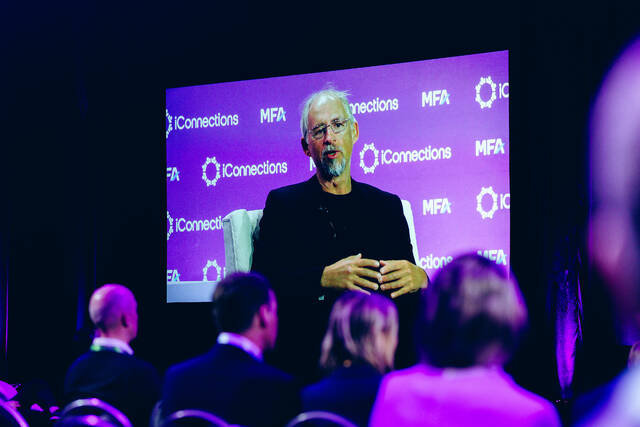
Intrigued, the listener arranged a face-to-face meeting with Back at a Bitcoin conference in Las Vegas. What began as casual conversation soon burgeoned with latent tension as he prepared to confront Back with evidence suggesting he might indeed be Satoshi. Over time, Back’s casual demeanor set off alarm bells within the listener; a dissonance between the calm facade and the potential implications of their discussion loomed heavily in the air.
Months rolled by as the listener continued to gather research and analysis, eventually leading him to cross-reference writing styles and linguistic nuances shared between Back and Satoshi. His newfound systematic approaches, drawing on stylometry and grammatical quirks, yielded compelling results linking Back closer to Satoshi’s works than anyone else.
As his investigation deepened, it became increasingly evident that Back’s writing bore striking similarities to Satoshi’s in formats rarely shared by others. Linguistic patterns, common phrases, and thematic interests began to converge around Back, amplifying the listener’s suspicion that he may hold the key to Bitcoin’s most profound secret.
In a series of engagements, culminating at a cryptocurrency event in El Salvador, the listener cornered Back, initiating a tense confrontation where he laid out the collected evidence. Back’s unease and defensive postures initially offered resistance, but as the listener persisted with pointed inquiries, the tension mounted, revealing cracks in Back’s carefully crafted narrative.
Despite adamant denials and attempts to distance himself from the identity of Satoshi, Back’s body language told another story, suggesting an internal struggle — a glimpse of the truth flashing behind his composed facade.
No definitive proof emerged to conclusively link Back to Satoshi — ultimately, Satoshi’s identity can only be confirmed by him alone, should he ever choose to reveal it. However, the wealth of circumstantial evidence built over months painted a portrait of a man who might be the enigma’s alter ego, leading to an everlasting question: could the real Satoshi be closer than anyone ever imagined?