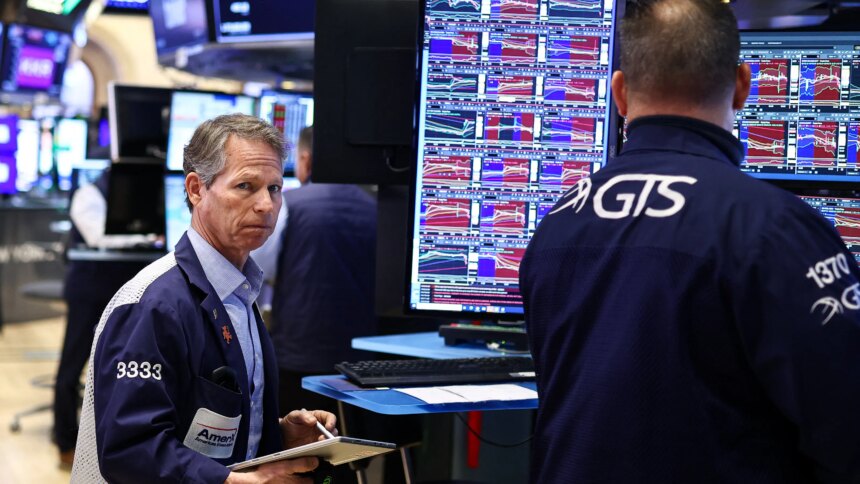
Armchair investors have faced a turbulent March, characterized by significant fluctuations in the S&P 500 and Dow Jones indexes, largely driven by geopolitical tensions related to the ongoing war in Iran, rising gas prices, and persistent inflation concerns. The recent volatility has left many investors feeling anxious as they watch their retirement accounts erode.
The instinct to panic and sell during a market downturn is a common reaction. However, financial experts warn against this impulse, reminding investors of fundamental investment principles: buy low and sell high, avoid impulsive decisions, and adhere to a well-thought-out plan.
One critical piece of advice is to resist the temptation to time the market. Attempting to cash out during downturns to wait for a rebound can lead to missed opportunities. “Any time you’re trying to avoid a downturn, the risk of being wrong is pretty high,” said Peter Lazaroff, a certified financial planner. He emphasizes that accurately timing both the sell and the reinvestment phases is challenging.
The volatility in the stock market can create an environment where some of the worst market days closely follow the best. For instance, after a tumultuous period in late March 2025, the market rebounded sharply one day, demonstrating the risks of attempting to time trades.
Sticking to a long-term investment strategy is crucial, experts advise. Historically, bear markets tend to be shorter than bull markets, lasting around 15 months compared to nearly six years for bull markets. A disciplined investment approach involves creating clear goals, maintaining a diversified portfolio, and minimizing costs. “You can’t control the markets. You don’t know what they’re going to do,” said James Martielli from Vanguard, highlighting the importance of controlling emotional reactions.
For those invested for the long haul, the daily fluctuations in stock values should not dictate actions. Financial planners suggest that if an investor may need access to funds soon, those should not be in volatile investments. Long-term investors are encouraged to be patient and ride out market downturns that are often brief.
Market corrections can present buying opportunities. Stocks that have dipped can be seen as being on sale, potentially offering better deals for future gains. While impulsive trades are discouraged, the current market conditions could benefit those looking to buy into stocks at discounted prices. Investors should consider broad index funds or funds designed to minimize volatility, providing a potentially steadier return than the general market.
Overall, the current market climate calls for careful thought and long-term perspectives, rather than hasty decisions that could lead to financial setbacks.