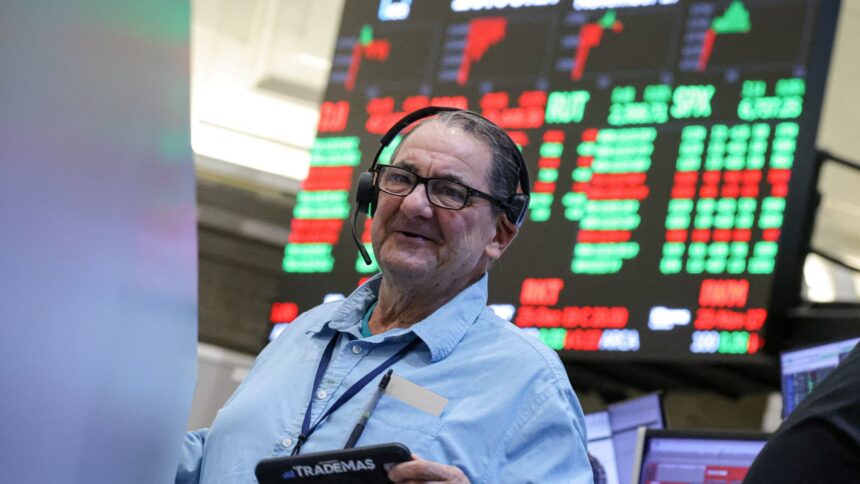
Investor enthusiasm for the stock market has surged to alarming levels, raising concerns about a potential downturn. According to the Levkovich Index—previously known as the Citigroup Panic/Euphoria Model—current confidence is soaring, with the index hitting a near-record high of 0.79, nearly double the euphoria threshold of 0.41. This gauge amalgamates various metrics, including short interest, margin debt, and sentiment surveys, providing insight into investor behavior.
Historically, the index serves as a cautionary signal for market trends. When it registers below panic levels, there is over a 95% probability that stock prices will rise in the following year. Conversely, when it reaches euphoric highs, the likelihood of a decline in stock prices exceeds 80%. This predictive power has evident implications for current market conditions, where recent gains have fueled optimism despite underlying concerns.
The S&P 500 has rallied impressively, gaining 14% so far in 2025, even amid uncertainties surrounding a government shutdown and subsequent resolutions. This surge is contributing to a buoyant sentiment as Wall Street strategists craft optimistic projections for the year ahead. Notably, Mike Wilson from Morgan Stanley forecasts that the large-cap index could hit 7,800 by the end of 2026, representing a significant 16% increase from current levels.
However, this prevailing optimism is not universally shared. The American Association of Individual Investors has reported that bearish sentiment is currently outpacing bullish sentiment by approximately 18 percentage points. Additionally, Bank of America’s Bull & Bear Indicator reflects a neutral stance, even as data indicate that inflows into equities this year are on track to become the second-largest on record, following last year’s peak.
The disparity between overwhelming optimism and cautionary signs suggests a complex market landscape ahead, one that investors should navigate carefully.