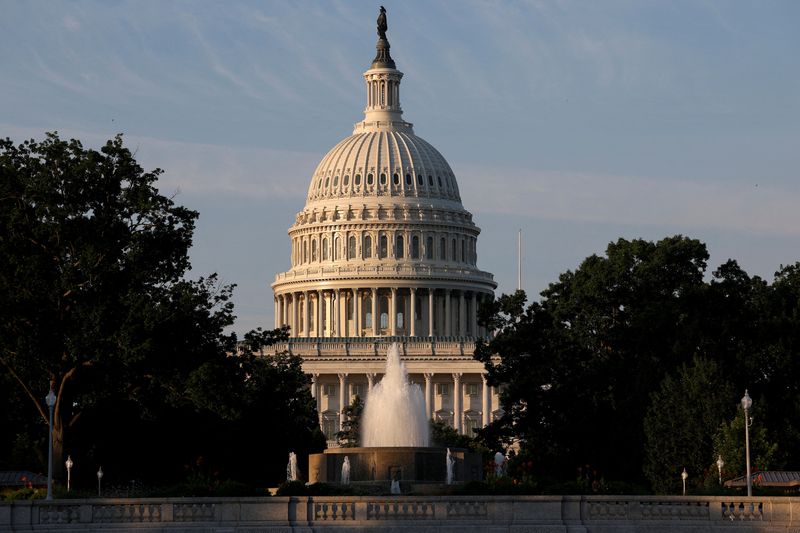
As investors across Asia remain cautiously optimistic, Treasury yields and the dollar have both seen declines, with stock markets trending slightly upward. This shift in sentiment comes amid heightened uncertainty regarding impending talks aimed at preventing a U.S. government shutdown set to begin Wednesday.
With President Trump scheduled to meet with top leaders from both the Democratic and Republican parties later today, analysts are not optimistic about the prospects for an agreement. Both political factions appear to be weighing the advantages of allowing a shutdown, effectively complicating negotiations and reducing hopes for a swift resolution.
Analysts from Bank of America have projected that a government closure could cost approximately 0.1% of GDP on a weekly basis, although they believe this loss would be recouped once the government reopens. Historically, market reactions to such shutdowns have been muted, potentially due to a prevailing belief among investors that public pressure will eventually compel political leaders to reach a compromise.
This week’s timing is particularly critical, as a shutdown would delay the release of the September payrolls report, which is scheduled for Friday. Furthermore, an extended shutdown could hinder the Federal Reserve’s decision-making when it meets on October 29. Nevertheless, market expectations currently suggest that such events would not dissuade the Fed from pursuing monetary easing, as traders are pricing in an 89% chance of a rate cut.
Adding to the market’s apprehension, Wednesday marks the day new tariffs on various items—including large trucks and patented drugs—are expected to take effect. However, there remains significant confusion regarding the specifics of these tariffs, particularly as to what products will be affected and whether existing trade agreements will take precedence. Recent reports indicate that tariffs may also be applied to foreign electronic devices based on their chip content, though the practical implementation of this measure is unclear.
Trade partners are left questioning the reliability of making agreements with the Trump administration, given the unpredictability of new levies being introduced unilaterally.
In addition to fiscal discussions, President Trump has a packed schedule this week, which includes a meeting with senior military officials. This gathering, called by Defense Secretary Hegseth, has prompted considerable speculation on social media. Theories range from Hegseth wishing to instill a “warrior” mindset among the military leaders to requests for personal oaths of loyalty to Trump. There are also rumors about a potential strategic shift in U.S. military presence, with discussions about focusing resources more on the Americas while withdrawing from commitments in Europe and Asia.
As market participants look ahead, they hope for stability in the upcoming weeks, particularly as the fourth quarter typically brings positive returns for equities. Historical data shows that the Nasdaq, for example, has averaged gains of over 6% in the December quarter, contributing to a robust 17% increase in world stock values this year, amounting to a staggering $15 trillion. Notably, both gold and Chinese technology stocks have emerged as significant winners, each rising nearly 40%.
Key indicators and developments to monitor in the coming days include EU consumer and business sentiment surveys, inflation reports from various EU nations, and multiple speeches from both European Central Bank (ECB) and Federal Reserve officials, including prominent figures such as Isabel Schnabel and Christopher Waller.