Negotiations between Iran and the United States have reached an impasse, raising the stakes in the volatile region. As the deadline for a nuclear agreement lapsed on Thursday, President Trump’s administration faces a critical juncture that could lead to heightened military action. With a looming 10-to-15-day window, Trump indicated that serious consequences could unfold as early as this weekend.
In response to the stalled talks, Trump has ordered additional troops to the region, a move that some analysts believe could escalate tensions rather than alleviate them. Although negotiations are set to continue into next week, the strategic military presence—marked by three naval fleets stationed off the Iranian coast—suggests that the U.S. is prepared to adopt a more assertive stance.
This buildup of military resources reflects a shift from diplomatic engagement to a potential show of force. Many observers believe that Trump’s impatience may drive him to seek quick results, potentially by leveraging military pressure to compel Iran into compliance with U.S. demands.
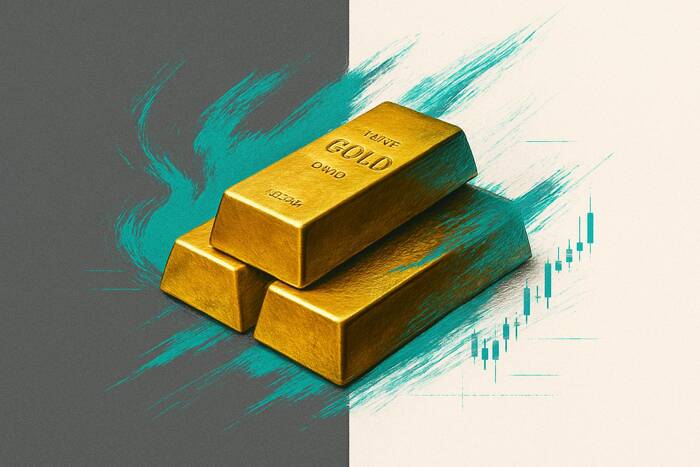
While the political landscape remains fraught, the implications for various markets, especially gold, are also significant. Traditionally seen as a safe haven during geopolitical upheaval, gold is currently experiencing an upward trend, exhibiting a breakout pattern that has traders closely watching the $5,250 level, which is viewed as a crucial benchmark for future price movements. However, experts caution against simplistic interpretations of gold as merely a war commodity.
Historically, gold’s value has been more closely tied to market demand than to the specter of conflict. Despite geopolitical tensions, gold’s long-term price fluctuations reflect broader economic factors of supply and demand. Analysts suggest that rather than being driven solely by fears of war, gold prices respond primarily to market dynamics, with increased demand likely pushing prices upward.
As the situation develops, the interplay between military strategy and market reactions will be critical in shaping both U.S. foreign policy and the financial landscape, making this a pivotal moment for all stakeholders involved.