As hostilities intensify between the United States, Israel, and Iran, the ripple effects on the global economy are becoming increasingly pronounced, particularly in the realm of energy prices. Experts emphasize that the greatest immediate threat posed by this conflict is the potential for soaring energy costs, which could have lasting ramifications for consumers and markets worldwide.
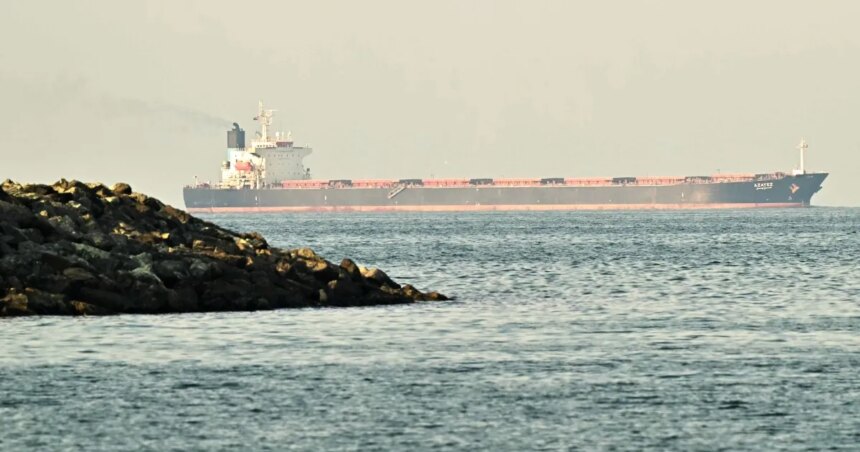
Iran’s strategic maneuvers, including the effective closure of the Strait of Hormuz and targeted attacks on critical energy infrastructure in Qatar and Saudi Arabia, have already disrupted a significant portion of the global energy supply chain. The prolonged nature of these disturbances remains uncertain, with economic analysts weighing the potential duration against possible damage to oil production facilities.
Anne-Sophie Corbeau, an energy analyst, highlights the precarious situation: the current market reflects assumptions of a short-lived disruption without substantial physical damage. However, the future may hold differing challenges. The world’s reliance on the Strait of Hormuz—responsible for roughly 20% of global oil supplies—could lead to pronounced price spikes if disruptions continue.
Despite ongoing threats to shipping routes, crude oil prices have seen only modest increases thus far. As of the latest reports, Brent crude oil was assessed at approximately $84 a barrel, marking a 15% increase from levels preceding the conflict. In comparison, historical incidents, such as the oil embargo of the 1970s, resulted in far more dramatic price escalations within mere months.
The geopolitical landscape of oil production has evolved significantly since that era, with the United States now emerging as the world’s largest oil producer. Nevertheless, supply disruptions extending beyond several weeks could catalyze sharp price increases, with analysts warning that global oil prices could soar to $100 per barrel—making the situation particularly urgent.
A report by JPMorgan Chase underscores the looming threat of storage capacity limitations in the Gulf states, which could become critical within weeks if Persian Gulf shipping lanes remain compromised. The analysis indicates that if the Strait of Hormuz stays closed, oil-producing nations might need to reduce output as storage becomes constrained.
Goldman Sachs forecasts that should the current flow reductions persist for an additional five weeks, oil prices could reach levels not seen since global events unfolded in 2022. The implications of such a rise could reverberate across the economy, given that an increase in oil prices typically results in heightened costs for goods and services. The International Monetary Fund has previously noted that for every 10% increase in oil prices, global economic growth can decrease by 0.15%.
Further complicating matters, liquefied natural gas has also experienced significant price escalations, prompting alarm within the European market, where prices jumped by up to 50% following a halt in production by key suppliers. As Europe’s reserves dwindle toward winter’s end, the shortage is expected to worsen if supply disruptions persist.
Experts warn that the full scope of economic fallout largely hinges on the actions of Iran and the response from the United States and allied nations. The ongoing attacks targeting commercial vessels have led to a pronounced drop in shipping traffic—approximately 90% lower than usual—raising insurance concerns and lending to an atmosphere of unpredictability.
U.S. officials have responded by considering measures such as insuring shipping lines through the region and bolstering naval escorts to ensure vessel safety. Economists suggest that as long as oil tankers can continue to navigate through the strait with relative safety and support from U.S. initiatives, the chances of a severe economic downturn may be mitigated. However, any significant disruption in oil traffic could dramatically raise economic costs and challenge consumer markets for an extended period.