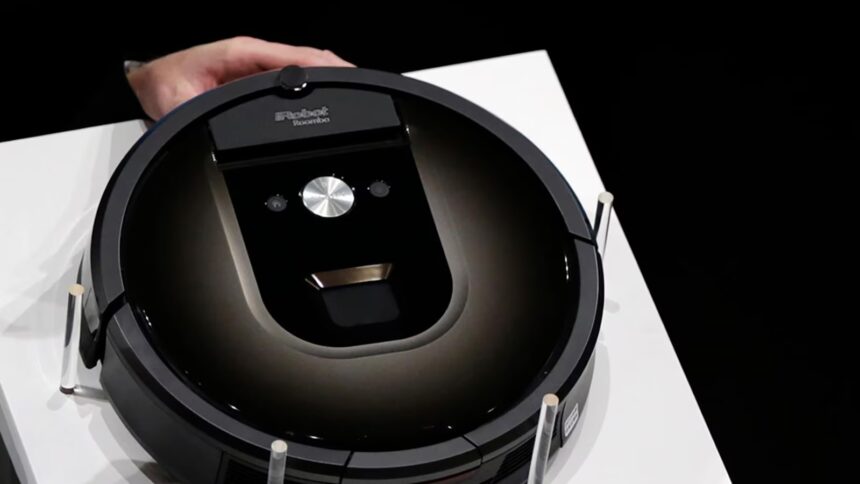
Roomba maker iRobot has filed for Chapter 11 bankruptcy protection amid growing challenges but asserts that there will be no disruption to its devices during this transition. The Bedford, Massachusetts-based company, renowned for its innovative robotic vacuum technology, has faced increased competition, layoffs, and a significant decline in its stock price in recent months.
Earlier, the company was involved in a high-profile acquisition negotiation with Amazon valued at approximately $1.7 billion, a deal that ultimately fell through last year. Amazon cited “undue and disproportionate regulatory hurdles” as the reason for the termination, following pushback from the European Union regarding the acquisition. As part of the fallout, Amazon agreed to pay iRobot a termination fee of $94 million. In response, iRobot announced plans for a restructuring effort aimed at stabilizing the company.
In a new development, iRobot has revealed that it is being acquired by Picea through a court-supervised process. Picea, or Shenzhen PICEA Robotics Co., Ltd., serves as iRobot’s primary contract manufacturer and has a proven track record, having built and sold over 20 million robotic vacuum cleaners from its facilities in China and Vietnam. iRobot’s CEO Gary Cohen expressed optimism about the deal, highlighting that it would enhance the company’s financial position and ensure continuity for its consumers, customers, and partners.
The company reassured stakeholders that it plans to operate normally throughout the Chapter 11 process and does not foresee any interruptions to app functionality, customer programs, supply chain relationships, or product support. iRobot anticipates finalizing the prepackaged Chapter 11 process by February.
In response to the filing, iRobot’s shares plummeted nearly 70% in premarket trading, dropping to $1.31. The company’s struggles underscore the challenges facing technology firms within the competitive landscape, raising questions about the sustainability of its business model in the evolving market.