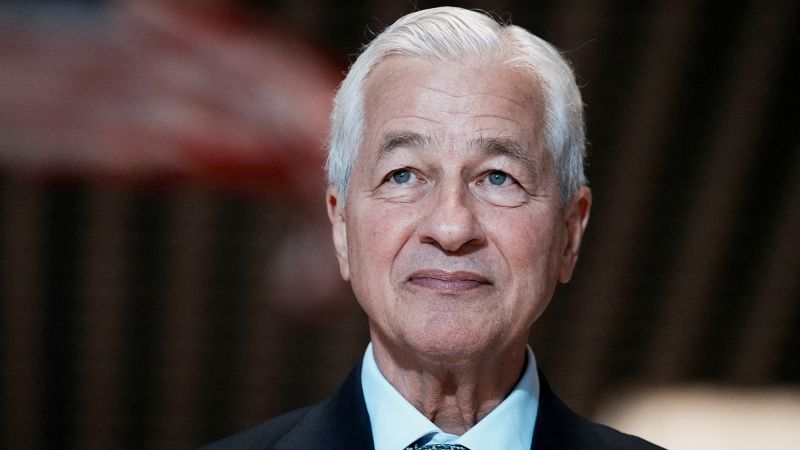
In recent comments, JPMorgan Chase CEO Jamie Dimon provided a nuanced outlook on the US economy amid rising geopolitical tensions, particularly concerning the ongoing war between the US-Israel alliance and Iran. Dimon expressed that this conflict could potentially trigger persistent inflationary pressures and lead to higher interest rates, which could, in turn, push the US economy into a recession and redefine the global economic landscape.
Dimon delivered his insights in his annual letter to shareholders, where he generally maintained an optimistic view of the American economy heading into 2026. He highlighted that the economy had begun the year on a strong footing, bolstered by a favorable tax strategy, regulatory relief spearheaded by President Donald Trump, and significant government spending initiatives, which he projected would add approximately $300 billion to the economy, contributing about 1% to the gross domestic product. Moreover, he underscored the transformative potential of massive investments in artificial intelligence and related technologies, which he believes will enhance US productivity.
Despite this optimistic outlook, Dimon cautioned that the looming war with Iran raises the stakes for potential oil and commodity price fluctuations, which could reverberate through the global supply chain—a scenario reminiscent of the disruptions following the pandemic. He warned that the combination of ongoing conflicts could lead to a new wave of “sticky” inflation and necessitate aggressive interest rate hikes by the Federal Reserve and other central banks, similar to the measures seen between 2021 and 2023.
He characterized gradually escalating inflation and interest rates as “the skunk at the party,” a metaphor for a lurking threat that could undermine the current stock market’s buoyancy. While acknowledging the relative strength of today’s economy, Dimon emphasized its dependency on continuous growth and stock market performance. He pointed out that a decline in these areas could exacerbate existing vulnerabilities within the economy.
High levels of government debt, according to Dimon, could remain manageable as long as the GDP remains robust and interest rates are low. However, he warned that this stability relies on several variables, cautioning that a mismanagement of debt could precipitate a crisis in the future. The prevailing high stock prices, attributed in part to global uncertainties, do not eliminate the risk of a recession or bear market, he noted, suggesting that market volatility and investor sentiment can shift rapidly, creating a feedback loop of declining asset values and increased investor caution.
Adding to the complex landscape, Dimon also flagged the deteriorating relationship between the US and China, noting that trade policies, particularly those instituted by the Trump administration, could lead to further economic challenges. He pointed to emerging issues within the private credit market as additional concerns that could potentially impact economic stability.
In summary, while Dimon presents a cautiously optimistic view of the US economy’s current resilience, he stresses the importance of monitoring geopolitical developments and domestic financial trends closely, as shifts in these areas could significantly alter the economic trajectory moving forward.