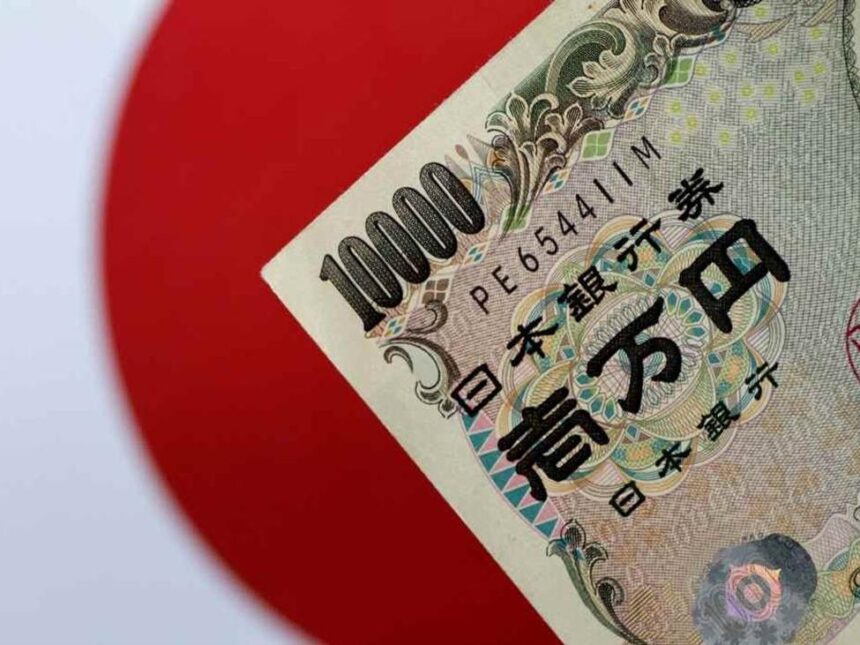
The ongoing US-Iran conflict continues to create significant turmoil for Japan, particularly affecting the nation’s financial landscape. The conflict has led to a surge in oil prices, exacerbating supply issues for the Japanese economy, while simultaneously disrupting the plans of both the Ministry of Finance (MOF) and the Bank of Japan (BOJ).
In recent weeks, the Japanese yen has faced intense pressure, reflecting a downgraded economic outlook and diminishing expectations for a rate hike by the BOJ. These rate hikes were initially anticipated in light of the upcoming spring wage negotiations, which were thought to boost economic momentum. However, the prospects have dimmed considerably due to the surrounding geopolitical instability and its economic ramifications.
Throughout January and February, Tokyo officials intervened with measures dubbed ‘rate checks’ to mitigate the strengthening of the USD/JPY currency pair. However, in light of the current US-Iran conflict, the MOF has refrained from more decisive action in the forex market. They have opted for verbal warnings instead, highlighting their cautious approach amidst these uncertain conditions.
The current trading dynamics suggest that as the USD/JPY nears the psychologically significant 160 level, the MOF’s pain threshold is being tested. This level had previously been identified as a critical point of intervention for Japanese officials. They are now thoughtfully weighing their options, needing to strike a balance between timely action and the potential risks of market intervention.
The BOJ’s previous interventions have demonstrated mixed results, such as in July 2024 when a similar intervention brought the USD/JPY down from above 160 to around 140. By January 2025, however, the currency pair rebounded to nearly 159, indicating the volatility of market reactions to such measures.
Additionally, the persistent weakness of the yen poses an ongoing challenge that could influence the MOF’s decision-making process. Authorities appear to be hedging their bets, likely waiting for signs of stabilization in the US-Iran conflict before acting decisively.
As the USD/JPY hovers just above 159—its highest level since July 2024—the situation remains precarious. Traders are keenly watching for any shifts, as the MOF, having previously drawn a line close to the 160 mark, could assert its authority in the forex market if movements become too aggressive. As international factors continue to play a significant role, the coming days will be crucial for the direction of the yen and the overarching financial strategy of Japan.