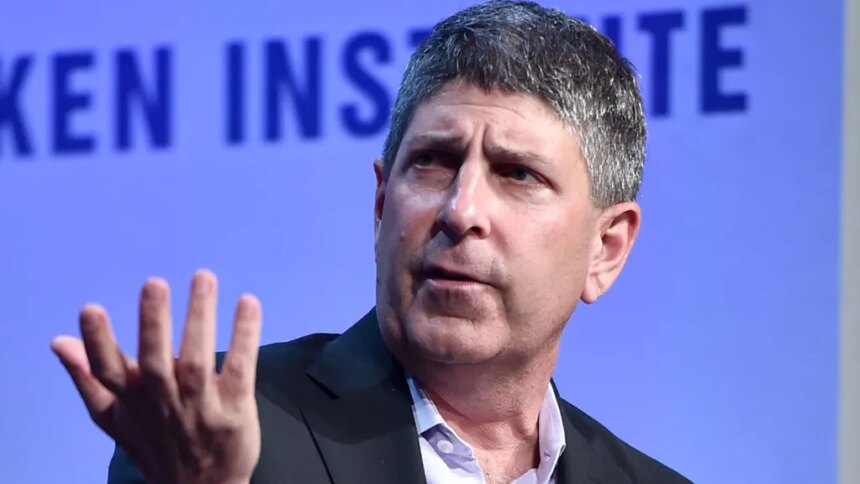
Jeff Shell’s recent departure from Paramount has raised significant questions about the future structure of the company and the possibility of his direct replacement. Insights from industry insiders suggest that the transition may not necessitate appointing a new president in the immediate aftermath of Shell’s exit.
The abrupt announcement that Shell is no longer with Paramount came amidst growing speculation surrounding his conduct, particularly allegations of leaking privileged information and possible violations of Securities and Exchange Commission (SEC) regulations. The shockwaves reverberated through the media landscape, especially as the company approaches the critical closing of its merger with Warner Bros. Discovery, a $111 billion deal set to finalize by the end of September.
In a statement following Shell’s departure, Paramount expressed gratitude for his contributions to the organization but notably did not provide any information about his future role within the company. The board confirmed that it had engaged an external law firm to investigate the allegations against Shell, concluding that there had been no violation of securities laws.
Sources indicate that a direct replacement for Shell may be unnecessary due to several factors. Historical precedent at Paramount itself plays a role—when Shell was ousted from NBCUniversal two years prior for admitting to an improper relationship, the company managed without appointing a new CEO immediately. Instead, former Comcast president Mike Cavanagh assumed an interim oversight capacity, implying that a similar structure might be viable for Paramount.
In the wake of Shell’s exit, Paramount has already set in motion plans that include the spinoff of much of its cable TV portfolio into what is now known as Versant Media, signaling a shift in its operational focus. During Shell’s brief tenure as president, which followed his nearly two-year stint at RedBird Capital, significant executive hires were made, indicating a strengthened leadership team around CEO David Ellison.
The current executive lineup features seasoned leaders such as Cindy Holland, who previously worked at Netflix, and others with diverse backgrounds in tech and law, suggesting a robust support system is already in place. Furthermore, Paramount’s TV Media division is under established leadership, including prominent figures like George Cheeks.
Some observers noted that Shell’s role was limited, particularly regarding direct oversight of key operations during significant developments like the Warner merger. This lack of direct involvement in day-to-day operations may further ease the transition as the company navigates its next steps.
Looking ahead, speculation arises about Shell’s career prospects within the entertainment industry following his recent difficulties. Despite his relatively young age for retirement, questions linger about his ability to secure funding for new ventures due to substantial forfeitures from past compensation packages, including $43 million lost from NBCUniversal and unresolved stock grants tied to Paramount’s merger with Skydance.
As Paramount forges ahead, the landscape will continue to evolve rapidly. The company’s ability to adapt in the wake of Shell’s departure and the high-profile merger will be closely watched by industry stakeholders, many of whom are uncertain about the long-term implications of these changes.