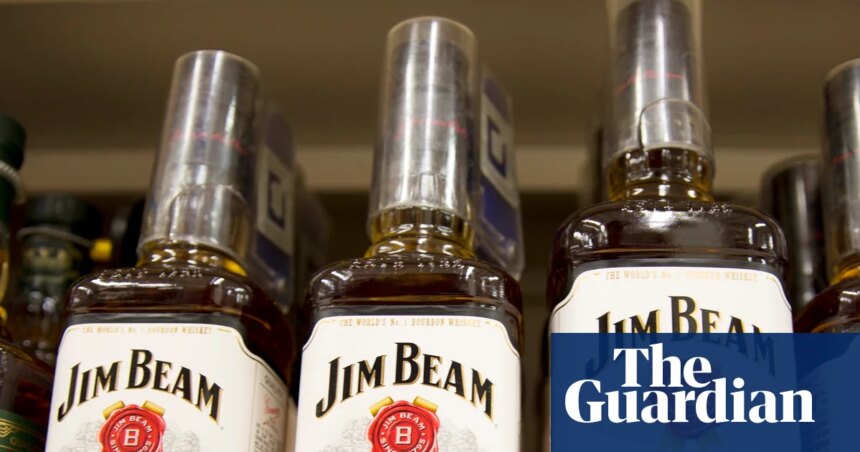
The production of Jim Beam bourbon whiskey will be halted for the entirety of 2026 at its primary distillery located in Clermont, Kentucky. This decision comes as the company aims to take advantage of the opportunity to upgrade its site, as indicated in a recent statement. Jim Beam officials noted that they are continuously evaluating production levels to align with consumer demand and have recently engaged in discussions regarding their expected volumes for the coming year.
This announcement occurs against a backdrop of challenges facing whiskey distillers across the United States, notably including uncertainty stemming from Donald Trump’s trade tariffs and a noticeable decline in alcohol consumption rates. The Kentucky Distillers’ Association (KDA) reported a staggering surplus of bourbon, with over 16 million barrels currently stored in warehouses throughout the state. The KDA has also highlighted a significant financial burden for distillers, who are facing a hefty tax bill of $75 million on their aging inventory due to state tax regulations.
In the wake of its decision to pause production, Jim Beam is evaluating its workforce implications and is actively discussing the situation with its workers’ union. While the Clermont distillery will be shutting down, other operations in Kentucky, such as an alternative distillery, bottling facilities, and warehouse plants, will continue to function. Additionally, the company’s visitor center in the region will remain open during this time.
Jim Beam is part of the Suntory Global Spirits group, a Japanese beverage company that employs a workforce of more than 6,000 globally, with over 1,000 employees situated in Kentucky alone. Suntory’s portfolio includes a variety of well-known brands, such as Haku vodka, Sipsmith gin, and popular soft drinks like Orangina and Lucozade. The acquisition of Jim Beam in 2014 for $16 billion solidified Suntory’s position as one of the leading entities in the spirits industry.
The spirits market has also been affected by external pressures, including political and trade-related tensions. In March, certain Canadian provinces initiated a campaign to withdraw American spirits from their stores as a form of retaliation against U.S. tariffs on Canadian products. Although some provinces later reinstated the purchase of American liquors, the fallout from tariffs has continued to plague the industry. In the U.K., a 10% tariff on American whiskey exports has incurred significant costs for distillers, with estimates from the Scotch Whisky Association suggesting losses amounting to £4 million per week.
The uncertainty surrounding trade policies and evolving consumer preferences poses significant challenges for the bourbon industry as it navigates these turbulent times.