









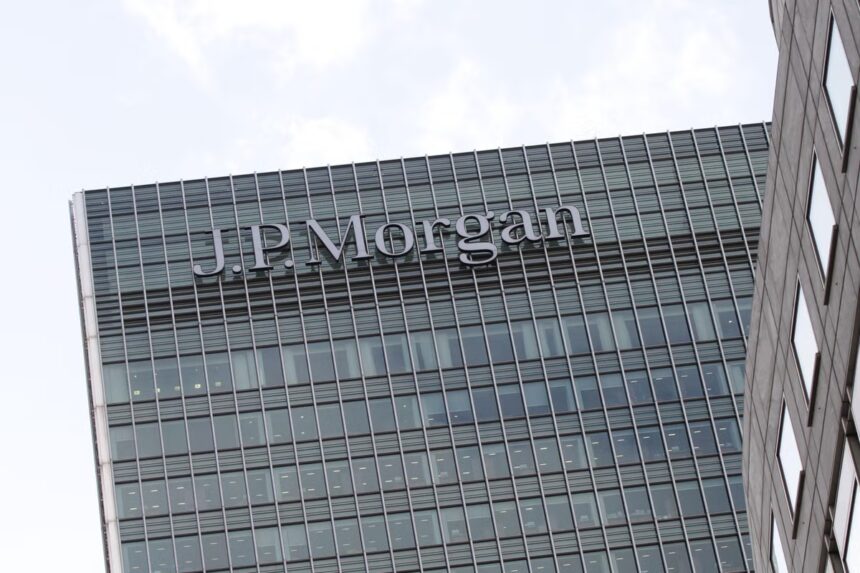
In a significant boost for the UK economy, global banking giant JP Morgan Chase has announced plans to construct a new tower in London’s Canary Wharf, estimated to inject around £10 billion into the city. This ambitious project comes on the heels of a similar commitment by Goldman Sachs, which revealed intentions to double its workforce in Birmingham.
The announcement from JP Morgan details plans for a colossal three million square foot building designed to accommodate approximately 12,000 employees. Once completed, it will serve as the bank’s UK headquarters and its largest presence in the Europe, Middle East, and Africa (EMEA) region. The project is set to take six years to complete, contingent upon receiving the necessary regulatory approvals.
JP Morgan CEO Jamie Dimon emphasized that the UK government’s focus on economic growth played a pivotal role in the decision to move forward with this significant investment. “This building will represent our lasting commitment to the City, the UK, our clients and our people,” he stated.
An independent economic study predicts that the tower’s construction and related activities could generate about £9.9 billion for the UK economy over the next six years, further amplifying the positive impact of this undertaking.
In addition, Goldman Sachs disclosed plans to expand its Birmingham office, increasing its workforce from 500 to over 1,000 in the coming years. This move reflects the bank’s commitment to deepening its ties with the UK economy.
Chancellor Rachel Reeves expressed confidence that the recent autumn Budget played a crucial role in attracting these investments. Speaking on BBC Radio 4, she noted that major global companies are opting for the UK due to the positive signals conveyed in her Budget statement. Banks were notably spared from proposed tax increases earlier speculated upon, which some in the industry feared could be detrimental. Instead, Reeves sought assurances from these financial institutions regarding their commitment to the UK.
As these developments unfold, they illustrate a significant moment for the UK’s financial landscape, highlighting the ongoing competition among US banks to enhance their presence in the country amid a favorable economic climate.