In a significant move aimed at promoting financial well-being among families, JPMorgan Chase and Bank of America announced on Wednesday that they will be matching the U.S. government’s one-time $1,000 contribution to children’s retirement savings accounts for eligible employees. This initiative aligns with efforts designed to boost long-term saving and investing among young Americans.
The initiative, known as the “Trump accounts,” is part of a pilot program that deposits $1,000 from the U.S. Treasury into tax-advantaged accounts for children born in the U.S. between January 1, 2025, and December 31, 2028. Its goal is to address the widening wealth gap in the U.S. through early financial education and investment. The program has garnered substantial attention and support from a wide array of high-profile individuals, including billionaire philanthropists Michael and Susan Dell, Ray Dalio, and entertainment icon Nicki Minaj.
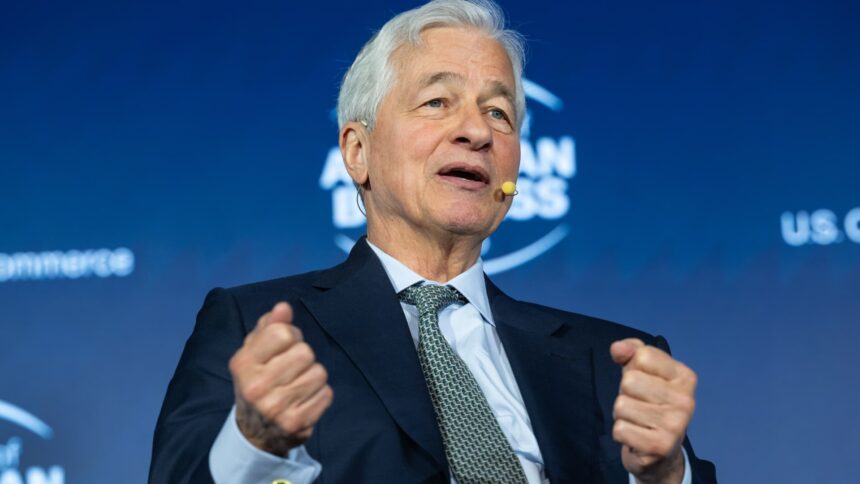
JPMorgan Chase CEO Jamie Dimon emphasized the company’s commitment to the financial futures of its employees and their families. In a formal statement, he remarked, “By matching this contribution, we’re making it easier for them to start saving early, invest wisely, and plan for their family’s financial future.” With over 190,000 employees in the U.S., Dimon’s message underlines the bank’s dedication to enhancing the financial health of its workforce.
In a memo to employees, Bank of America expressed its support for the “innovative solutions” proposed by the government for employee savings. This sentiment reflects a broader trend among financial institutions, many of which have endorsed similar measures. Other notable firms joining the effort include BlackRock, BNY Mellon, Robinhood, SoFi, and Charles Schwab, highlighting how the financial sector is rallying to support the initiative.
Both banks are now part of an increasing cohort of corporate leaders committed to making children’s retirement savings a priority, signaling a proactive approach to address economic disparities from an early age. As the pilot program unfolds, it is anticipated that more corporations will consider similar contributions, fostering a culture of saving and investing that could have lasting impacts on American families.