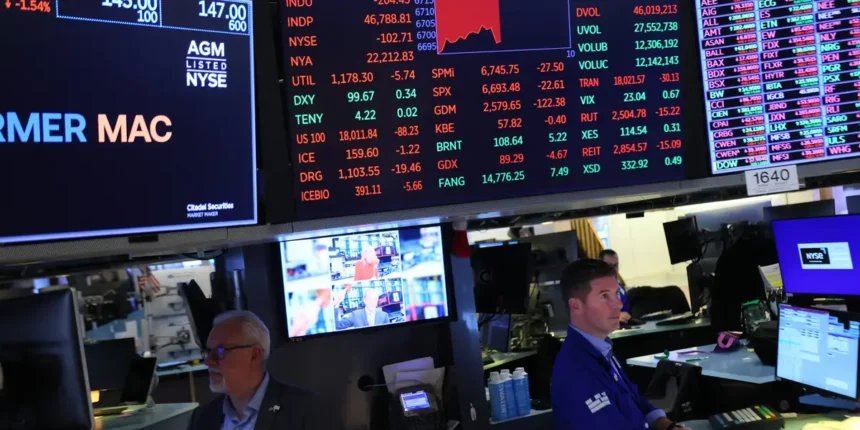
In a recent assessment, JPMorgan has revised its year-end target for the S&P 500 in 2026, decreasing it to 7,200 from the previous estimate of 7,500. The adjustment comes amid rising concerns over complacency among investors regarding the implications of escalating oil prices linked to the ongoing conflict in the Middle East.
Since hostilities escalated in Iran nearly three weeks ago, the U.S. stock market has shown notable resilience, even as oil prices surged. However, JPMorgan analysts caution that this stability hinges on a precarious assumption: investors believe that the conflict will soon conclude, thereby allowing for the reopening of vital shipping routes such as the Strait of Hormuz. They argue that this presumption could lead to significant miscalculations, especially given historical trends where S&P 500 and oil typically exhibit a more negative correlation after a substantial spike in oil prices, such as the recent 46% increase since the onset of the strikes.
Despite oil prices soaring, the S&P 500 has only dipped by less than 4%. This, according to the bank, reflects a market environment where investors have prioritized hedging their positions rather than outright derisking. While sectors traditionally seen as high-risk—such as software, South Korean equities, and cryptocurrency—have faced declines, a general sense of complacency still permeates market sentiment.
JPMorgan emphasized that while much focus has been placed on the inflationary pressures stemming from higher oil prices, the more pressing issue may be the potential negative impact on demand if the Strait does not reopen. This concern has been echoed by analysts at Bank of America, who warn that the focus on inflation risks may obscure the looming threat of a synchronized global economic slowdown due to a prolonged conflict.
Citadel Securities also weighed in, indicating a noticeable shift in risk perception from inflation to growth. JPMorgan further warned that a potential oil supply shortfall could hinder global GDP and revenue growth, increasing the likelihood of a recession. Historically, they noted, four out of five oil shocks since the 1970s have preceded economic downturns, making this context particularly alarming.
The current situation poses additional challenges for the market, including private credit apprehensions, specific issues within the software sector, rising retail redemptions, a waning AI investment trend, an affordability crisis, and a cooling labor market. The Federal Reserve is also faced with the difficult task of navigating these economic complexities while striving to maintain stability.