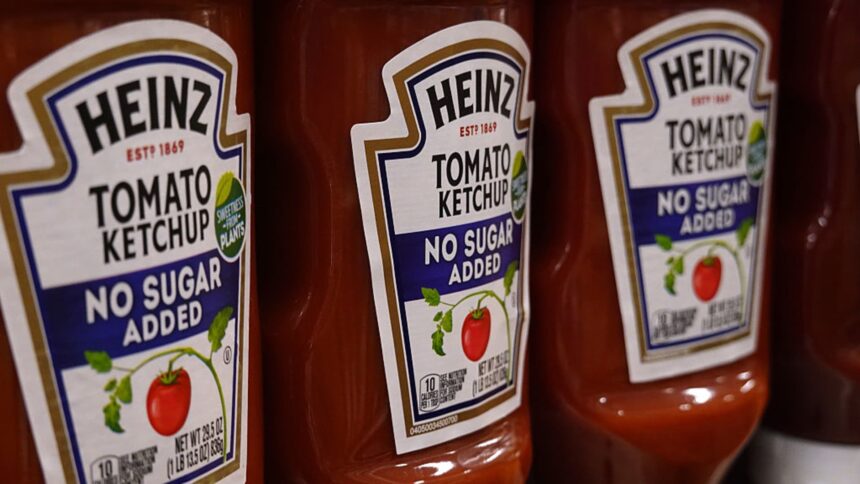
Kraft Heinz has decided to pause its plans to split into two separate companies, a move initially announced in September 2025 that aimed to reverse the 2015 megamerger driven by billionaire investor Warren Buffett. In a statement, CEO Steve Cahillane, who took the helm in January, emphasized that many challenges facing the company are manageable and under its control.
Cahillane highlighted that his primary focus is on restoring profitable growth within the organization. He stated, “To ensure all resources are fully focused on the execution of our operating plan, we believe it is prudent to pause work related to the separation and we will no longer incur related dis-synergies this year.” Following this announcement, Kraft Heinz’s shares experienced a decline of approximately 7% in premarket trading.
In addition to the strategic pause, Kraft Heinz is set to invest $600 million to revitalize its U.S. operations. This funding will be directed towards enhancing marketing, sales efforts, and research and development, along with efforts to improve product quality and select pricing strategies.
The initial announcement regarding the split in September aimed to dismantle the $46 billion merger that established Kraft Heinz as one of the largest food companies globally. Though the merger was initially well-received by investors, the company struggled with declining U.S. sales and significant write-downs on several well-known brands, such as Oscar Mayer and Maxwell House. For at least six years, Kraft Heinz has been in a state of restructuring, striving to rejuvenate its U.S. business.
Warren Buffett, a key architect of the merger, expressed his disappointment regarding the decision to separate the entities. Berkshire Hathaway, which holds a 28% stake in Kraft Heinz, has indicated steps toward unwinding this investment.
Cahillane’s leadership background includes guiding Kellogg through its own breakup and later overseeing Kellanova, which was spun off before being sold to Mars. The latest development aligns with Kraft Heinz’s quarterly earnings report, which showed better-than-expected earnings yet missed revenue estimates, signaling ongoing challenges in meeting market expectations.