In a significant move towards integrating cryptocurrency investments into traditional retirement savings plans, lawmakers are urging the Securities and Exchange Commission (SEC) to take immediate action. They have called for the SEC to collaborate closely with the Secretary of Labor and revise current regulations pertaining to accredited investors. This request comes amid increasing discussions in the 119th Congress about bipartisan legislation that may open the door for crypto assets in 401(k) plans.
The lawmakers highlighted that allowing crypto investments in 401(k) plans could have a meaningful impact on the 90 million Americans currently restricted from diversifying their retirement portfolios with alternative assets. They expressed optimism that such regulatory changes would enable these individuals to attain a more secure and comfortable retirement.
The potential for including cryptocurrency investments in 401(k) plans aligns with broader financial shifts that could lead to increased interest in digital assets. With recent Federal Reserve rate cuts and the potential approval of XRP-spot exchange-traded funds (ETFs), the landscape appears favorable for cryptocurrency. Nate Geraci, President at NovaDius Wealth Management, noted that a staggering $7.7 trillion is currently held in money market funds with an average yield of 4.1%. He posed a critical question regarding where this capital might flow if rates continue to decline.
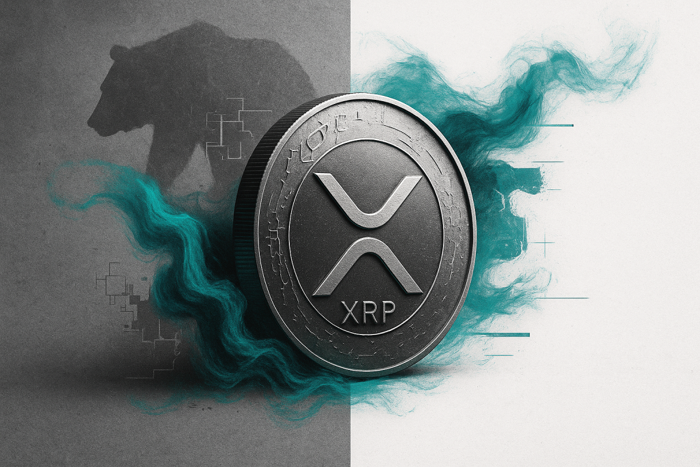
Market activity around XRP reflects this climate, as the token experienced a decline of 4.06% on September 22, following a slight loss the previous day, and closed at $2.854. The broader market trend saw a downturn of 3.13%, and XRP has been on a five-day losing streak, placing it below the crucial $3 resistance level. Traders are eyeing support at $2.8 and $2.5, while resistance levels stand at $3, $3.2, $3.335, and the all-time high of $3.66.
Several upcoming developments could significantly influence XRP’s price trajectory. The flow of funds for XRP ETFs, as well as the SEC’s decisions regarding the approval or denial of such funds, stands as a primary price catalyst. Additionally, the positions taken by blue-chip companies regarding XRP as a treasury reserve asset and key regulatory milestones—including Ripple’s application for a US-chartered bank license—could impact demand significantly.
A range of scenarios could shape XRP’s future price movements. Should weak inflows be reported by popular funds like BITW, GDLC, and XRPR, coupled with the SEC declining XRP-spot ETF applications or delaying Ripple’s bank license, bearish sentiment could prevail. This might push XRP down toward critical support levels at $2.8 or even $2.5.
Conversely, a surge in investor interest could propel XRP upwards. Strong inflows into funds, a successful application for an iShares XRP Trust by BlackRock, and increased adoption of Ripple technology could lead to a bullish scenario. If XRP breaks through the $3 resistance, it may see further momentum towards $3.2 and potentially higher.
The next few months will be crucial in shaping both regulatory frameworks and market dynamics surrounding cryptocurrency investments, particularly for XRP, as stakeholders await developments that may unlock new opportunities for investors.