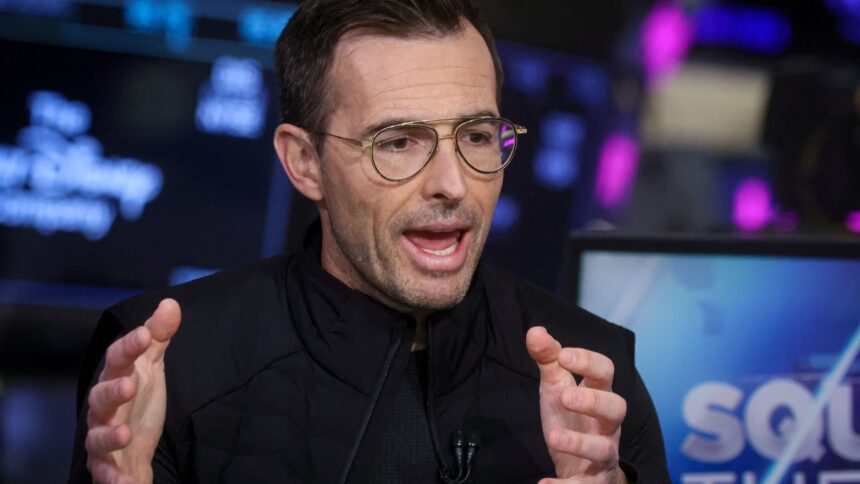
Calvin McDonald, the CEO of lululemon athletica inc., will be stepping down from his role effective January 31, marking a significant leadership change at the company. The announcement, made on Thursday, comes amid a challenging year for the athleisure giant, which has faced various hurdles, including rising competition and shifting consumer preferences.
In a news release, lululemon’s board of directors stated that it is currently engaged with a leading executive search firm to find McDonald’s successor. Following his departure, McDonald will serve as a senior advisor until March 31 to ensure a smooth transition. Reflecting on his tenure, McDonald expressed pride in the accomplishments of lululemon over the past seven years, stating, “Serving as CEO of lululemon has been the highlight of my career.”
Despite the company’s achievements, lululemon has recently struggled to maintain its market position. The athleisure industry has become highly competitive, with emerging brands such as Vuori and Alo Yoga challenging lululemon’s dominance. Consumer trends are also shifting, with many shoppers gravitating towards denim rather than traditional yoga pants, impacting sales.
Lululemon has acknowledged the pressures it faces, particularly in the Americas, its largest market, which has been on a decline. The company is working on strategies to navigate these challenges, including expanding its product offerings beyond workout clothing to include shoes, outerwear, and casual attire suitable for work. This diversification aims to attract a broader customer base and drive growth.
International expansion and new store openings have been key growth drivers for lululemon, which has been working to establish a stronger presence in international markets. However, the company is grappling with the repercussions of the end of the de minimis exemption, which previously allowed low-value packages to enter the U.S. duty-free. This change is expected to negatively impact lululemon more acutely than its competitors, with the firm estimating a hit of $240 million to full-year profits due to increased tariffs.
As lululemon navigates this transitional period, both its leadership and strategic direction will be closely monitored by investors and industry analysts alike. The continued evolution of the athleisure market and changing consumer preferences will be critical factors influencing the company’s future performance.